

The Best of the Best
AWARDED BEST VALUE - CANADA

Located in Victoria, B.C.
The Inn has been an icon in Victoria since the 1960’s, we are ambassadors providing extraordinary hospitality to visit every attraction in the city as well as conveniently connect you to all major areas no matter what the purpose of your visit may be.
Our friendly local expert staff is happy to help you plan your vacation; whether it be a whale watching tour, a city tour, a visit to Butchart Gardens, we have it.
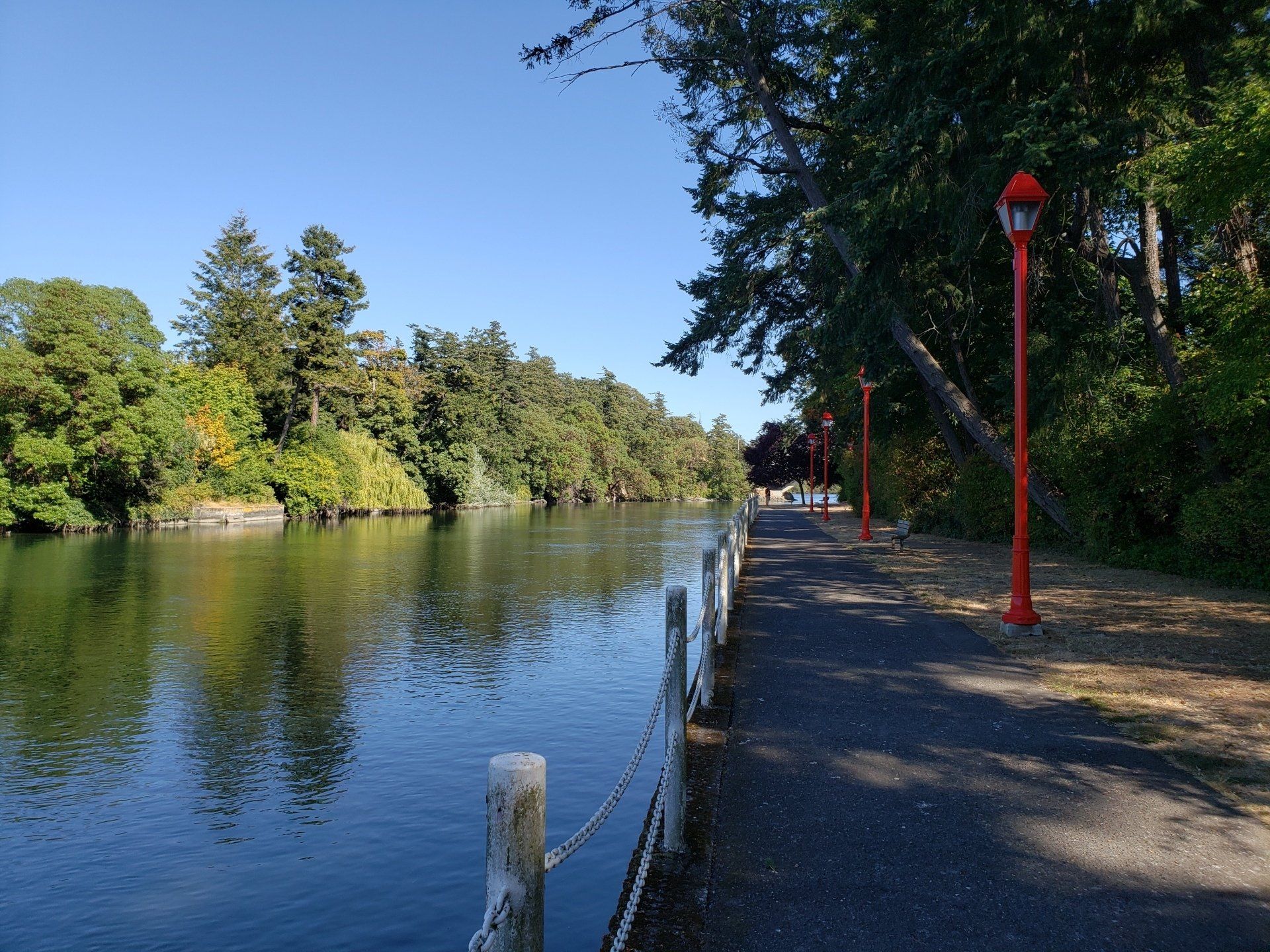
Robin Hood Inn & Suites is conveniently located right on Gorge road, less than 10 minute access to Downtown Victoria by bus or car, a short walk to the Galloping Goose Trail and your choice of restaurants, ice cream shops, breweries, shopping malls and local boutique stores!
Sign Up to enjoy
Private Sale!

-
![]() 🐋✨ Dive into Adventure with Eagle Wing Whale Watching Tours! ✨🐋 Embark on a breathtaking journey through the ocean's wonders with us! Our renowned whale and wildlife watching tours are your gateway to unforgettable encounters with nature's marvels. 🌊🦅 🚤 Schedule Update Alert! 🕒 We're excited to announce our new sailing times designed to offer you even more opportunities to witness the majestic beauty of whales and other wildlife! 📅 Until March 22nd: Join our Semi-Covered Boat leaving at 1 PM daily for a comfortable and exhilarating experience. 📅 March 23rd to May 1st: Double the adventure with TWO departures! Set sail on our Semi-Covered Boat at 10 AM or 2:30 PM. 📅 Starting May 1st: Embrace the ocean's embrace with our Open Boat tours at 9 AM and 1:30 PM. For those who prefer the comfort of our Semi-Covered Boat, the schedule remains unchanged, ensuring you find the perfect time to explore the seas with us. Mark your calendars and let the sea's call lead you to adventures untold. Whether it's the gentle giants of the deep or the playful antics of wildlife, every Eagle Wing Tour is a journey to remember. 🔹 Book Now! Limited spots are available to ensure intimate and enriching experiences. 📲 🐳🦜 #EagleWingTours #WhaleWatching #WildlifeAdventure #ExploreTheOcean #AdventureAwaitsButton
🐋✨ Dive into Adventure with Eagle Wing Whale Watching Tours! ✨🐋 Embark on a breathtaking journey through the ocean's wonders with us! Our renowned whale and wildlife watching tours are your gateway to unforgettable encounters with nature's marvels. 🌊🦅 🚤 Schedule Update Alert! 🕒 We're excited to announce our new sailing times designed to offer you even more opportunities to witness the majestic beauty of whales and other wildlife! 📅 Until March 22nd: Join our Semi-Covered Boat leaving at 1 PM daily for a comfortable and exhilarating experience. 📅 March 23rd to May 1st: Double the adventure with TWO departures! Set sail on our Semi-Covered Boat at 10 AM or 2:30 PM. 📅 Starting May 1st: Embrace the ocean's embrace with our Open Boat tours at 9 AM and 1:30 PM. For those who prefer the comfort of our Semi-Covered Boat, the schedule remains unchanged, ensuring you find the perfect time to explore the seas with us. Mark your calendars and let the sea's call lead you to adventures untold. Whether it's the gentle giants of the deep or the playful antics of wildlife, every Eagle Wing Tour is a journey to remember. 🔹 Book Now! Limited spots are available to ensure intimate and enriching experiences. 📲 🐳🦜 #EagleWingTours #WhaleWatching #WildlifeAdventure #ExploreTheOcean #AdventureAwaitsButton -
![]() 🌊✨ Dive into a Sea of Flavors at Nautical Nellies! ✨🌊 Our team had the pleasure of sampling the delights of @NauticalNellie's menu, and we're still savoring the memories. From the delicate Oysters on the Half Shell to the bold Volcano Sushi 🍣, each dish was a masterpiece of taste. The Hot Lobster Dip 🦞 was a crowd-pleaser, perfectly capturing the essence of the sea. But the star of the night? The Hawaiian Crab and Scallop Sushi 🦀 - an explosion of flavors that claimed the title of 'the most delicious sushi in the world' for our palates. Not to be overshadowed, the desserts were a dream. The Warm Missouri Butter Cake 🍰 and Choux au Craquelin were the perfect sweet notes to end on. Swipe to taste the journey ➡️ Atlantic Lobster Roll with Lobster Bisque Oysters on the Half Shell Roasted Carrots with a Tangy Drizzle Volcano Sushi Roll - A Fiery Delight Hot Lobster Dip - A Creamy Treasure Warm Missouri Butter Cake - Sweet Perfection Hawaiian Crab and Scallop Sushi - The Showstopper #NauticalNellie #SeafoodHeaven #GourmetExperience #VictoriaEatsButton
🌊✨ Dive into a Sea of Flavors at Nautical Nellies! ✨🌊 Our team had the pleasure of sampling the delights of @NauticalNellie's menu, and we're still savoring the memories. From the delicate Oysters on the Half Shell to the bold Volcano Sushi 🍣, each dish was a masterpiece of taste. The Hot Lobster Dip 🦞 was a crowd-pleaser, perfectly capturing the essence of the sea. But the star of the night? The Hawaiian Crab and Scallop Sushi 🦀 - an explosion of flavors that claimed the title of 'the most delicious sushi in the world' for our palates. Not to be overshadowed, the desserts were a dream. The Warm Missouri Butter Cake 🍰 and Choux au Craquelin were the perfect sweet notes to end on. Swipe to taste the journey ➡️ Atlantic Lobster Roll with Lobster Bisque Oysters on the Half Shell Roasted Carrots with a Tangy Drizzle Volcano Sushi Roll - A Fiery Delight Hot Lobster Dip - A Creamy Treasure Warm Missouri Butter Cake - Sweet Perfection Hawaiian Crab and Scallop Sushi - The Showstopper #NauticalNellie #SeafoodHeaven #GourmetExperience #VictoriaEatsButton -
![]() Happy Lunar New Year from Robin Hood Inn and Suites! Wishing you prosperity, good health, and success in the Year of the Dragon. May your stay with us be filled with joy and memorable moments. 🐉✨ #LunarNewYear #YearoftheDragon #Prosperity #Health #RobinHoodInn"Button
Happy Lunar New Year from Robin Hood Inn and Suites! Wishing you prosperity, good health, and success in the Year of the Dragon. May your stay with us be filled with joy and memorable moments. 🐉✨ #LunarNewYear #YearoftheDragon #Prosperity #Health #RobinHoodInn"Button -
![]() For the fastest speed that you could get for free in a hotel room, Robin Hood Inn & Suites provides upload and download 30mbps for our guests! Want to watch your favourite channel on a large screen? Just connect our high-speed Wi-Fi, cast your phone to our large TV screen and enjoy your favourite movie on the comfy Stearns & Foster mattress! @hellobc @tourismvictoriabc @tourismvancouverisland #chromecast #hotel #technology #bestsleepever #yyj #tourismbc #ExploreBCNow #share #victoriaresortexperience #highspeed #highspeedwifi #intello #bestothebest #hoteltrendsButton
For the fastest speed that you could get for free in a hotel room, Robin Hood Inn & Suites provides upload and download 30mbps for our guests! Want to watch your favourite channel on a large screen? Just connect our high-speed Wi-Fi, cast your phone to our large TV screen and enjoy your favourite movie on the comfy Stearns & Foster mattress! @hellobc @tourismvictoriabc @tourismvancouverisland #chromecast #hotel #technology #bestsleepever #yyj #tourismbc #ExploreBCNow #share #victoriaresortexperience #highspeed #highspeedwifi #intello #bestothebest #hoteltrendsButton -
![]() 🌟 At Robin Hood Inn & Suites, we're dedicated to eco-friendly hospitality! 🌿💚 Experience the future of sustainable travel with our state-of-the-art amenities. Charge up with ease as we proudly offer 2 Tesla chargers and an EV fast charger, making your electric car journey a breeze! ⚡️✨ Enjoy the convenience of complimentary charging as our valued hotel guest. 🚗💨 Stay with us and embrace the eco-conscious lifestyle while exploring the beauty of our vibrant city. Book now and join us in our commitment to a greener tomorrow! 🌍🏨 @tourismvictoriabc @tourismvancouverisland @hellobc #ev #evcharging #suncountry #tesla #teslacharger #hotelbc #vancouverisland #tourism #EcoFriendlyHospitality #ElectricCarCharging #RobinHoodInnAndSuitesButton
🌟 At Robin Hood Inn & Suites, we're dedicated to eco-friendly hospitality! 🌿💚 Experience the future of sustainable travel with our state-of-the-art amenities. Charge up with ease as we proudly offer 2 Tesla chargers and an EV fast charger, making your electric car journey a breeze! ⚡️✨ Enjoy the convenience of complimentary charging as our valued hotel guest. 🚗💨 Stay with us and embrace the eco-conscious lifestyle while exploring the beauty of our vibrant city. Book now and join us in our commitment to a greener tomorrow! 🌍🏨 @tourismvictoriabc @tourismvancouverisland @hellobc #ev #evcharging #suncountry #tesla #teslacharger #hotelbc #vancouverisland #tourism #EcoFriendlyHospitality #ElectricCarCharging #RobinHoodInnAndSuitesButton -
![]() Experience the ultimate news indulgence at Robin Hood Inn & Suites! 🗞️✨ Immerse yourself in a world of thousands of newspapers and magazines with the incredible PressReader app, exclusively available to our esteemed guests. 🌟 Stay connected with our High-Speed Dedicated Wi-Fi, effortlessly download the app, and unlock a realm of limitless information. From breaking news to captivating articles, enrich your stay with the power of knowledge. 📚🔍 Elevate your stay with Robin Hood Inn & Suites, where convenience meets exceptional hospitality. 🏨🌍 @pressreader #RobinHoodInnAndSuites #PressReader #stayinformed #news #magazine #share #bestofthebest #victoriaresortexperienec #stayreal #affordablevacations #hotelsvictoria #stayreal #robinhoodinn #hotels #travel #victoriabc #hotel #boutiquehotel #hotellife #hotelier #vancouverisland #beautifulbritishcolumbia #britishcolumbia #explorebc #staycationButton
Experience the ultimate news indulgence at Robin Hood Inn & Suites! 🗞️✨ Immerse yourself in a world of thousands of newspapers and magazines with the incredible PressReader app, exclusively available to our esteemed guests. 🌟 Stay connected with our High-Speed Dedicated Wi-Fi, effortlessly download the app, and unlock a realm of limitless information. From breaking news to captivating articles, enrich your stay with the power of knowledge. 📚🔍 Elevate your stay with Robin Hood Inn & Suites, where convenience meets exceptional hospitality. 🏨🌍 @pressreader #RobinHoodInnAndSuites #PressReader #stayinformed #news #magazine #share #bestofthebest #victoriaresortexperienec #stayreal #affordablevacations #hotelsvictoria #stayreal #robinhoodinn #hotels #travel #victoriabc #hotel #boutiquehotel #hotellife #hotelier #vancouverisland #beautifulbritishcolumbia #britishcolumbia #explorebc #staycationButton -
![]() Indulge in the ultimate morning delight at Robin Hood Inn & Suites! 🌞🥐🥚 Start your day right with our complimentary, freshly baked breakfast extravaganza! 🍪☕️ Immerse yourself in a tempting array of delectable treats, served in the Great Room from 6:30 am to 10:30 am. 😋💖 Savor the aroma of our organic Mighty Leaf Tea, enjoy barista-style coffee, and rejuvenate with a selection of fruit juices, available until 10 pm daily. 🍵🥛☕️✨ Join us for a breakfast experience that will leave you energized and ready to conquer the day! 🌟🍳 @tourismvancouverisland @hellobc @tourismvictoriabc #bestofthebest #holidays #yyj #food #goodmorning #roomservice #breakfast #nescafe #stayreal #affordablevacations #victoriaresortexperience #crossiant #robinhoodinn #StayReal #hotels #travel #resort #victoriabc #hotel #boutiquehotel #hotellife #hotelier #victoriabc #explorebc #RobinHoodInnAndSuites #FreshlyBakedBreakfast #StartYourDayRightButton
Indulge in the ultimate morning delight at Robin Hood Inn & Suites! 🌞🥐🥚 Start your day right with our complimentary, freshly baked breakfast extravaganza! 🍪☕️ Immerse yourself in a tempting array of delectable treats, served in the Great Room from 6:30 am to 10:30 am. 😋💖 Savor the aroma of our organic Mighty Leaf Tea, enjoy barista-style coffee, and rejuvenate with a selection of fruit juices, available until 10 pm daily. 🍵🥛☕️✨ Join us for a breakfast experience that will leave you energized and ready to conquer the day! 🌟🍳 @tourismvancouverisland @hellobc @tourismvictoriabc #bestofthebest #holidays #yyj #food #goodmorning #roomservice #breakfast #nescafe #stayreal #affordablevacations #victoriaresortexperience #crossiant #robinhoodinn #StayReal #hotels #travel #resort #victoriabc #hotel #boutiquehotel #hotellife #hotelier #victoriabc #explorebc #RobinHoodInnAndSuites #FreshlyBakedBreakfast #StartYourDayRightButton -
![]() ✨ Get ready to embark on an unforgettable journey through breathtaking vistas as you stroll along their mesmerizing spiral wooden ramp and reach the 32-meter high viewing deck. 🌅🏞️ Immerse yourself in the beauty of sea inlets, mountains, and the natural wonders of @malahatskywalk 🌿🌊Button
✨ Get ready to embark on an unforgettable journey through breathtaking vistas as you stroll along their mesmerizing spiral wooden ramp and reach the 32-meter high viewing deck. 🌅🏞️ Immerse yourself in the beauty of sea inlets, mountains, and the natural wonders of @malahatskywalk 🌿🌊Button -
![]() Exciting news! We've recently added Mahjong 🀄 to our repertoire of activities in the Great Room. Gather your friends and test your strategic skills while enjoying the company of fellow guests. Mahjong is now a part of the fun-filled experience we offer! 🀄 #GreatRoom #Relaxation #Socialize #Activities #Mahjong #Pool #Piano #CozyLiving #Breakfast #Tea #Coffee #CherishedMemories #InvitingSpaceButton
Exciting news! We've recently added Mahjong 🀄 to our repertoire of activities in the Great Room. Gather your friends and test your strategic skills while enjoying the company of fellow guests. Mahjong is now a part of the fun-filled experience we offer! 🀄 #GreatRoom #Relaxation #Socialize #Activities #Mahjong #Pool #Piano #CozyLiving #Breakfast #Tea #Coffee #CherishedMemories #InvitingSpaceButton -
![]() 🌟 Welcome to our vibrant Great Room – the heart of relaxation and connection for everyone! 🏨✨ Unwind, socialize, and enjoy a variety of activities in this inviting space. Challenge your friends to a friendly game of pool, lounge in the cozy living area, and tickle the ivories on the piano in the dining area. 🎱🎶🍽️ Open daily from 6:30 AM to 10 PM, the Great Room is your sanctuary for a delightful start to your day, with breakfast available until 10:30 AM. Plus, enjoy the warmth of tea, coffee, and refreshing juice until 10 PM. ☕🍊 Make the most of your time with us and create cherished memories in our splendid Great Room! 🌟🎉 #explorevictoria #victoriaresortexperience #robinhoodinnButton
🌟 Welcome to our vibrant Great Room – the heart of relaxation and connection for everyone! 🏨✨ Unwind, socialize, and enjoy a variety of activities in this inviting space. Challenge your friends to a friendly game of pool, lounge in the cozy living area, and tickle the ivories on the piano in the dining area. 🎱🎶🍽️ Open daily from 6:30 AM to 10 PM, the Great Room is your sanctuary for a delightful start to your day, with breakfast available until 10:30 AM. Plus, enjoy the warmth of tea, coffee, and refreshing juice until 10 PM. ☕🍊 Make the most of your time with us and create cherished memories in our splendid Great Room! 🌟🎉 #explorevictoria #victoriaresortexperience #robinhoodinnButton -
![]() Discover the magic of @mightyleafcanada ! 🍃 Experience the luxury of hand-stitched tea bags crafted with 100% unbleached cotton. 🌿 Sip sustainably with compostable tea bags while supporting Fair Trade, Social Responsibility, and our commitment to a better world. Join us on this incredible journey! #socialresponsibility #sustainability #fairtrade #wholeleafteas #mightyleaftea #yyj #rboinhoodinn #stayreal #ExploreVictoria #ExploreBCLocal #BCNice #CanadaVacations #stayandwander #BCTourismcounts #canadanice #MightyLeafTea #FairTrade #explorebcButton
Discover the magic of @mightyleafcanada ! 🍃 Experience the luxury of hand-stitched tea bags crafted with 100% unbleached cotton. 🌿 Sip sustainably with compostable tea bags while supporting Fair Trade, Social Responsibility, and our commitment to a better world. Join us on this incredible journey! #socialresponsibility #sustainability #fairtrade #wholeleafteas #mightyleaftea #yyj #rboinhoodinn #stayreal #ExploreVictoria #ExploreBCLocal #BCNice #CanadaVacations #stayandwander #BCTourismcounts #canadanice #MightyLeafTea #FairTrade #explorebcButton -
![]() 🌟 Welcome to our vibrant Great Room – the heart of relaxation and connection for everyone! 🏨✨ Unwind, socialize, and enjoy a variety of activities in this inviting space. Challenge your friends to a friendly game of pool, lounge in the cozy living area, and tickle the ivories on the piano in the dining area. 🎱🎶🍽️ Open daily from 6:30 AM to 10 PM, the Great Room is your sanctuary for a delightful start to your day, with breakfast available until 10:30 AM. Plus, enjoy the warmth of tea, coffee, and refreshing juice until 10 PM. ☕🍊 Make the most of your time with us and create cherished memories in our splendid Great Room! 🌟🎉 #explorevictoria #victoriaresortexperience #robinhoodinnButton
🌟 Welcome to our vibrant Great Room – the heart of relaxation and connection for everyone! 🏨✨ Unwind, socialize, and enjoy a variety of activities in this inviting space. Challenge your friends to a friendly game of pool, lounge in the cozy living area, and tickle the ivories on the piano in the dining area. 🎱🎶🍽️ Open daily from 6:30 AM to 10 PM, the Great Room is your sanctuary for a delightful start to your day, with breakfast available until 10:30 AM. Plus, enjoy the warmth of tea, coffee, and refreshing juice until 10 PM. ☕🍊 Make the most of your time with us and create cherished memories in our splendid Great Room! 🌟🎉 #explorevictoria #victoriaresortexperience #robinhoodinnButton -
![]() Experience seamless convenience at Robin Hood Inn! 🚐🌟 Our complimentary courtesy shuttle takes care of your transportation needs, whisking you to and from the Inn with ease. Whether you're arriving at Swartz Bay, BC Ferries, YYJ Airport, or exploring downtown Victoria, our shuttle has got you covered! Sit back, relax, and let us take care of the rest. Enjoy the utmost comfort and hassle-free travel during your stay with us. Book now and unlock the true meaning of effortless hospitality at Robin Hood Inn!Button
Experience seamless convenience at Robin Hood Inn! 🚐🌟 Our complimentary courtesy shuttle takes care of your transportation needs, whisking you to and from the Inn with ease. Whether you're arriving at Swartz Bay, BC Ferries, YYJ Airport, or exploring downtown Victoria, our shuttle has got you covered! Sit back, relax, and let us take care of the rest. Enjoy the utmost comfort and hassle-free travel during your stay with us. Book now and unlock the true meaning of effortless hospitality at Robin Hood Inn!Button -
![]() Unlock the full potential with @hottubboatvictoria , the leading provider of innovative ways to enjoy the summer that exceed expectations! ***GET A ROBINHOOD DISCOUNT WHEN YOU BOOK WITH US! Let's get excited! @hellobc @tourismvancouverisland @tourismvictoriabc #explorevictoria #yyj #victoriabc #hottubboatvictoria #hottubboatcanada #explorebc #hottub #vancouverisland #woodfired #hellobc #pnw #yyjlocal #yyjblogger #yyjbusiness #victoriabuzz #victoriabccanada #yyjbiz #downtownvictoria #htbv #yyjarts #yyjfitness #yyjphotographer #discoverbc #westcoastbestcoast #wetcoast #yyjsmallbusiness #yyjhealth #pnwButton
Unlock the full potential with @hottubboatvictoria , the leading provider of innovative ways to enjoy the summer that exceed expectations! ***GET A ROBINHOOD DISCOUNT WHEN YOU BOOK WITH US! Let's get excited! @hellobc @tourismvancouverisland @tourismvictoriabc #explorevictoria #yyj #victoriabc #hottubboatvictoria #hottubboatcanada #explorebc #hottub #vancouverisland #woodfired #hellobc #pnw #yyjlocal #yyjblogger #yyjbusiness #victoriabuzz #victoriabccanada #yyjbiz #downtownvictoria #htbv #yyjarts #yyjfitness #yyjphotographer #discoverbc #westcoastbestcoast #wetcoast #yyjsmallbusiness #yyjhealth #pnwButton -
![]() Robin Hood provides complimentary e-bikes for their guests to enjoy a different way to discover Victoria. The e-bike comes with a hamlet and a lock to stop by. Reservations are strongly recommended as they are very popular! Contact our awesome guest service to reserve yours today. Tourism Vancouver Island Destination British Columbia Destination Greater VictoriaButton
Robin Hood provides complimentary e-bikes for their guests to enjoy a different way to discover Victoria. The e-bike comes with a hamlet and a lock to stop by. Reservations are strongly recommended as they are very popular! Contact our awesome guest service to reserve yours today. Tourism Vancouver Island Destination British Columbia Destination Greater VictoriaButton -
![]() Robin Hood Inn & Suites provides an excellent environment for dogs, including the memory foam doggy bed - Ultra Soft, doggy bowls and doggy treats1 Limited pet rooms are available. Contact our Guest Service to book yours. Your dog also deserves the best sleep ever and premium treats 😊 with a small charge of $30/ night Stay with us with your lovely dog 🐶 @hellobc @tourismvictoriabc @tourismvancouverisland #pet #petfriendly #dogfriendly #petfriendlyhotel #victoriabc #value #dog #petfriendlyhotel #news #dogfriendlyhotel #everydoghasitsday #adventurewithdogs #dogsthatexplore #victoriaresortexperience #bestofthebest #explorevictoriaButton
Robin Hood Inn & Suites provides an excellent environment for dogs, including the memory foam doggy bed - Ultra Soft, doggy bowls and doggy treats1 Limited pet rooms are available. Contact our Guest Service to book yours. Your dog also deserves the best sleep ever and premium treats 😊 with a small charge of $30/ night Stay with us with your lovely dog 🐶 @hellobc @tourismvictoriabc @tourismvancouverisland #pet #petfriendly #dogfriendly #petfriendlyhotel #victoriabc #value #dog #petfriendlyhotel #news #dogfriendlyhotel #everydoghasitsday #adventurewithdogs #dogsthatexplore #victoriaresortexperience #bestofthebest #explorevictoriaButton -
![]() Robin Hood Inn & Suites provides complimentary kayaking and standup paddle boarding for our guests to explore Victoria on the water. It is available year-round! Have fun. Stay Real. Stay with us. @hellobc @tourismvancouverisland @tourismvictoriabc @fgpaddle Reserve yours with our awesome guest services! #kayak #fun #outdoor #waterfun #victoriaresortexperience #bestofthebest #share #bestvalue #FGPC #dragonboat #outrigger #kayak #SUP #rowing #paddlelife #stayreal #robinhoodinn #hotels #travel #resort #victoriabc #hotel #boutiquehotel #victoriabc #tourismvictoria #vancouverisland #beautifulbritishcolumbia #britishcolumbia #explorebc #staycationButton
Robin Hood Inn & Suites provides complimentary kayaking and standup paddle boarding for our guests to explore Victoria on the water. It is available year-round! Have fun. Stay Real. Stay with us. @hellobc @tourismvancouverisland @tourismvictoriabc @fgpaddle Reserve yours with our awesome guest services! #kayak #fun #outdoor #waterfun #victoriaresortexperience #bestofthebest #share #bestvalue #FGPC #dragonboat #outrigger #kayak #SUP #rowing #paddlelife #stayreal #robinhoodinn #hotels #travel #resort #victoriabc #hotel #boutiquehotel #victoriabc #tourismvictoria #vancouverisland #beautifulbritishcolumbia #britishcolumbia #explorebc #staycationButton -
![]() 🌟 At Robin Hood Inn & Suites, we're dedicated to eco-friendly hospitality! 🌿💚 Experience the future of sustainable travel with our state-of-the-art amenities. Charge up with ease as we proudly offer 2 Tesla chargers and an EV fast charger, making your electric car journey a breeze! ⚡️✨ Enjoy the convenience of complimentary charging as our valued hotel guest. 🚗💨 Stay with us and embrace the eco-conscious lifestyle while exploring the beauty of our vibrant city. Book now and join us in our commitment to a greener tomorrow! 🌍🏨 @tourismvictoriabc @tourismvancouverisland @hellobc #ev #evcharging #suncountry #tesla #teslacharger #hotelbc #vancouverisland #tourism #EcoFriendlyHospitality #ElectricCarCharging #RobinHoodInnAndSuitesButton
🌟 At Robin Hood Inn & Suites, we're dedicated to eco-friendly hospitality! 🌿💚 Experience the future of sustainable travel with our state-of-the-art amenities. Charge up with ease as we proudly offer 2 Tesla chargers and an EV fast charger, making your electric car journey a breeze! ⚡️✨ Enjoy the convenience of complimentary charging as our valued hotel guest. 🚗💨 Stay with us and embrace the eco-conscious lifestyle while exploring the beauty of our vibrant city. Book now and join us in our commitment to a greener tomorrow! 🌍🏨 @tourismvictoriabc @tourismvancouverisland @hellobc #ev #evcharging #suncountry #tesla #teslacharger #hotelbc #vancouverisland #tourism #EcoFriendlyHospitality #ElectricCarCharging #RobinHoodInnAndSuitesButton -
![]() Experience the ultimate news indulgence at Robin Hood Inn & Suites! 🗞️✨ Immerse yourself in a world of thousands of newspapers and magazines with the incredible PressReader app, exclusively available to our esteemed guests. 🌟 Stay connected with our High-Speed Dedicated Wi-Fi, effortlessly download the app, and unlock a realm of limitless information. From breaking news to captivating articles, enrich your stay with the power of knowledge. 📚🔍 Elevate your stay with Robin Hood Inn & Suites, where convenience meets exceptional hospitality. 🏨🌍 @pressreader #RobinHoodInnAndSuites #PressReader #stayinformed #news #magazine #share #bestofthebest #victoriaresortexperienec #stayreal #affordablevacations #hotelsvictoria #stayreal #robinhoodinn #hotels #travel #victoriabc #hotel #boutiquehotel #hotellife #hotelier #vancouverisland #beautifulbritishcolumbia #britishcolumbia #explorebcButton
Experience the ultimate news indulgence at Robin Hood Inn & Suites! 🗞️✨ Immerse yourself in a world of thousands of newspapers and magazines with the incredible PressReader app, exclusively available to our esteemed guests. 🌟 Stay connected with our High-Speed Dedicated Wi-Fi, effortlessly download the app, and unlock a realm of limitless information. From breaking news to captivating articles, enrich your stay with the power of knowledge. 📚🔍 Elevate your stay with Robin Hood Inn & Suites, where convenience meets exceptional hospitality. 🏨🌍 @pressreader #RobinHoodInnAndSuites #PressReader #stayinformed #news #magazine #share #bestofthebest #victoriaresortexperienec #stayreal #affordablevacations #hotelsvictoria #stayreal #robinhoodinn #hotels #travel #victoriabc #hotel #boutiquehotel #hotellife #hotelier #vancouverisland #beautifulbritishcolumbia #britishcolumbia #explorebcButton -
![]() Indulge in the ultimate morning delight at Robin Hood Inn & Suites! 🌞🥐🥚 Start your day right with our complimentary, freshly baked breakfast extravaganza! 🍪☕️ Immerse yourself in a tempting array of delectable treats, served in the Great Room from 6:30 am to 10:30 am. 😋💖 Savor the aroma of our organic Mighty Leaf Tea, enjoy barista-style coffee, and rejuvenate with a selection of fruit juices, available until 10 pm daily. 🍵🥛☕️✨ Join us for a breakfast experience that will leave you energized and ready to conquer the day! 🌟🍳 @tourismvancouverisland @hellobc @tourismvictoriabc #bestofthebest #holidays #yyj #food #goodmorning #roomservice #breakfast #nescafe #stayreal #affordablevacations #victoriaresortexperience #crossiant #robinhoodinn #StayReal #hotels #travel #resort #victoriabc #hotel #boutiquehotel #hotellife #hotelier #victoriabc #explorebc #RobinHoodInnAndSuites #FreshlyBakedBreakfast #StartYourDayRightButton
Indulge in the ultimate morning delight at Robin Hood Inn & Suites! 🌞🥐🥚 Start your day right with our complimentary, freshly baked breakfast extravaganza! 🍪☕️ Immerse yourself in a tempting array of delectable treats, served in the Great Room from 6:30 am to 10:30 am. 😋💖 Savor the aroma of our organic Mighty Leaf Tea, enjoy barista-style coffee, and rejuvenate with a selection of fruit juices, available until 10 pm daily. 🍵🥛☕️✨ Join us for a breakfast experience that will leave you energized and ready to conquer the day! 🌟🍳 @tourismvancouverisland @hellobc @tourismvictoriabc #bestofthebest #holidays #yyj #food #goodmorning #roomservice #breakfast #nescafe #stayreal #affordablevacations #victoriaresortexperience #crossiant #robinhoodinn #StayReal #hotels #travel #resort #victoriabc #hotel #boutiquehotel #hotellife #hotelier #victoriabc #explorebc #RobinHoodInnAndSuites #FreshlyBakedBreakfast #StartYourDayRightButton -
![]() Happy New Year 🥳May the new year of 2024 brings all of us joys and happiness! #happynewyear #newchallenge #bestofthebest #robinhoodinn #victoriaresortexperienceButton
Happy New Year 🥳May the new year of 2024 brings all of us joys and happiness! #happynewyear #newchallenge #bestofthebest #robinhoodinn #victoriaresortexperienceButton -
![]() Goodbye, 2023! Let us welcome an extraordinary year, 2024, may 2024 be the most successful and full of joy! #bestofthebest #happynewyear #holidays #vacation #newyear #welcomeButton
Goodbye, 2023! Let us welcome an extraordinary year, 2024, may 2024 be the most successful and full of joy! #bestofthebest #happynewyear #holidays #vacation #newyear #welcomeButton -
![]() Experience seamless convenience at Robin Hood Inn! 🚐🌟 Our complimentary courtesy shuttle takes care of your transportation needs, whisking you to and from the Inn with ease. Whether you're arriving at Swartz Bay, BC Ferries, YYJ Airport, or exploring downtown Victoria, our shuttle has got you covered! Sit back, relax, and let us take care of the rest. Enjoy the utmost comfort and hassle-free travel during your stay with us. Book now and unlock the true meaning of effortless hospitality at Robin Hood Inn!Button
Experience seamless convenience at Robin Hood Inn! 🚐🌟 Our complimentary courtesy shuttle takes care of your transportation needs, whisking you to and from the Inn with ease. Whether you're arriving at Swartz Bay, BC Ferries, YYJ Airport, or exploring downtown Victoria, our shuttle has got you covered! Sit back, relax, and let us take care of the rest. Enjoy the utmost comfort and hassle-free travel during your stay with us. Book now and unlock the true meaning of effortless hospitality at Robin Hood Inn!Button -
![]() Robin Hood provides complimentary e-bikes for their guests to enjoy a different way to discover Victoria. The e-bike comes with a hamlet and a lock to stop by. Reservations are strongly recommended as they are very popular! Contact our awesome guest service to reserve yours today. @hellobc @tourismvictoriabc @tourismvancouverisland #havefun #adventuretravel #outdoor #thingstodo #Victoriaresortexperience #value #share #yyj #bestsleepeve #victoriatourism #explorevictoria #yyj #victoriabc #explorebc #vancouverisland #hellobc #yyjlocal #yyjbusiness #victoriabuzz #victoriacanada #discoverbc #westcoastbestcoast #westcoast #yyjsmallbusiess #stayrealButton
Robin Hood provides complimentary e-bikes for their guests to enjoy a different way to discover Victoria. The e-bike comes with a hamlet and a lock to stop by. Reservations are strongly recommended as they are very popular! Contact our awesome guest service to reserve yours today. @hellobc @tourismvictoriabc @tourismvancouverisland #havefun #adventuretravel #outdoor #thingstodo #Victoriaresortexperience #value #share #yyj #bestsleepeve #victoriatourism #explorevictoria #yyj #victoriabc #explorebc #vancouverisland #hellobc #yyjlocal #yyjbusiness #victoriabuzz #victoriacanada #discoverbc #westcoastbestcoast #westcoast #yyjsmallbusiess #stayrealButton -
![]() It's three days before the Ultimate Sleep Set draw! To enter the draw, simply leave your email address to your reservation, and enjoy privileges for getting the latest exclusive deal 🙂Button
It's three days before the Ultimate Sleep Set draw! To enter the draw, simply leave your email address to your reservation, and enjoy privileges for getting the latest exclusive deal 🙂Button -
![]() Make up post for our staff Christmas party that happened on the 12th…Button
Make up post for our staff Christmas party that happened on the 12th…Button -
![]() Choose your coffee! At the Robin Hood Inn & Suites, our guests enjoy selections of Cappuccino, Latte, Hot Chocolate, Mocha, Decaf, Espresso and French Vanilla...etc. Wake up with delicious coffee~ Enhance your morning with us~ #bestofthebest #victoriaresortexperience #share #victorian #beverage #coffee #yyj #value #freecoffee #stayreal #coffeelover #coffeetimeButton
Choose your coffee! At the Robin Hood Inn & Suites, our guests enjoy selections of Cappuccino, Latte, Hot Chocolate, Mocha, Decaf, Espresso and French Vanilla...etc. Wake up with delicious coffee~ Enhance your morning with us~ #bestofthebest #victoriaresortexperience #share #victorian #beverage #coffee #yyj #value #freecoffee #stayreal #coffeelover #coffeetimeButton -
![]() Merry Christmas from the Robin Hood!Button
Merry Christmas from the Robin Hood!Button -
![]() ✨ Get ready to embark on an unforgettable journey through breathtaking vistas as you stroll along their mesmerizing spiral wooden ramp and reach the 32-meter high viewing deck. 🌅🏞️ Immerse yourself in the beauty of sea inlets, mountains, and the natural wonders of @malahatskywalk 🌿🌊Button
✨ Get ready to embark on an unforgettable journey through breathtaking vistas as you stroll along their mesmerizing spiral wooden ramp and reach the 32-meter high viewing deck. 🌅🏞️ Immerse yourself in the beauty of sea inlets, mountains, and the natural wonders of @malahatskywalk 🌿🌊Button -
![]() 🌟 Welcome to our vibrant Great Room – the heart of relaxation and connection for everyone! 🏨✨ Unwind, socialize, and enjoy a variety of activities in this inviting space. Challenge your friends to a friendly game of pool, lounge in the cozy living area, and tickle the ivories on th#robinhoodinncorbridge he dining area. 🎱🎶🍽️ Open daily from 6:30 AM to 10 PM, the Great Room is your sanctuary for a delightful start to your day, with breakfast available until 10:30 AM. Plus, enjoy the warmth of tea, coffee, and refreshing juice until 10 PM. ☕🍊 Make the most of your time with us and create cherished memories in our splendid Great Room! 🌟🎉 #explorevictoria #victoriaresortexperience #robinhoodinnButton
🌟 Welcome to our vibrant Great Room – the heart of relaxation and connection for everyone! 🏨✨ Unwind, socialize, and enjoy a variety of activities in this inviting space. Challenge your friends to a friendly game of pool, lounge in the cozy living area, and tickle the ivories on th#robinhoodinncorbridge he dining area. 🎱🎶🍽️ Open daily from 6:30 AM to 10 PM, the Great Room is your sanctuary for a delightful start to your day, with breakfast available until 10:30 AM. Plus, enjoy the warmth of tea, coffee, and refreshing juice until 10 PM. ☕🍊 Make the most of your time with us and create cherished memories in our splendid Great Room! 🌟🎉 #explorevictoria #victoriaresortexperience #robinhoodinnButton -
![]() Indulge in the ultimate morning delight at Robin Hood Inn & Suites! 🌞🥐🥚 Start your day right with our complimentary, freshly baked breakfast extravaganza! 🍪☕️ Immerse yourself in a tempting array of delectable treats, served in the Great Room from 6:30 am to 10:30 am. 😋💖 Savor the aroma of our organic Mighty Leaf Tea, enjoy barista-style coffee, and rejuvenate with a selection of fruit juices, available until 10 pm daily. 🍵🥛☕️✨ Join us for a breakfast experience that will leave you energized and ready to conquer the day! 🌟🍳 @tourismvancouverisland @hellobc @tourismvictoriabc #bestofthebest #holidays #yyj #food #goodmorning #roomservice #breakfast #nescafe #stayreal #affordablevacations #victoriaresortexperience #crossiant #robinhoodinn #StayReal #hotels #travel #resort #victoriabc #hotel #boutiquehotel #hotellife #hotelier #victoriabc #explorebc #RobinHoodInnAndSuites #FreshlyBakedBreakfast #StartYourDayRightButton
Indulge in the ultimate morning delight at Robin Hood Inn & Suites! 🌞🥐🥚 Start your day right with our complimentary, freshly baked breakfast extravaganza! 🍪☕️ Immerse yourself in a tempting array of delectable treats, served in the Great Room from 6:30 am to 10:30 am. 😋💖 Savor the aroma of our organic Mighty Leaf Tea, enjoy barista-style coffee, and rejuvenate with a selection of fruit juices, available until 10 pm daily. 🍵🥛☕️✨ Join us for a breakfast experience that will leave you energized and ready to conquer the day! 🌟🍳 @tourismvancouverisland @hellobc @tourismvictoriabc #bestofthebest #holidays #yyj #food #goodmorning #roomservice #breakfast #nescafe #stayreal #affordablevacations #victoriaresortexperience #crossiant #robinhoodinn #StayReal #hotels #travel #resort #victoriabc #hotel #boutiquehotel #hotellife #hotelier #victoriabc #explorebc #RobinHoodInnAndSuites #FreshlyBakedBreakfast #StartYourDayRightButton -
![]() 🌟 Celebrate our incredible journey with us at Robin Hood Inn & Suites! 🎉🥳 From humble beginnings as a motel to our current status as a cherished Inn, we've come a long way. 💫 Experience the evolution of comfort, from our beautifully appointed rooms to our exceptional guest service and handpicked excursion partners. 🏨✨ As we celebrate our 60th anniversary, we extend a warm invitation to everyone to join us and be a part of this special milestone. Dial 50 to reserve your room and embark on an unforgettable stay with us! 📞❤️Button
🌟 Celebrate our incredible journey with us at Robin Hood Inn & Suites! 🎉🥳 From humble beginnings as a motel to our current status as a cherished Inn, we've come a long way. 💫 Experience the evolution of comfort, from our beautifully appointed rooms to our exceptional guest service and handpicked excursion partners. 🏨✨ As we celebrate our 60th anniversary, we extend a warm invitation to everyone to join us and be a part of this special milestone. Dial 50 to reserve your room and embark on an unforgettable stay with us! 📞❤️Button -
![]() Embark on a captivating journey at @victoriabutterflygardens, where tropical rainforest enchantment awaits! 🌿🦋 Book now and enjoy an incredible 20% OFF! Immerse yourself in the wonders of vibrant blooms and the mesmerizing flutter of colourful butterflies. 🌸🦋✨ Experience the magic firsthand by contacting our amazing guest service agent and secure your spot in this botanical paradise. 🌼🌿 Don't miss out on this extraordinary opportunity to witness nature's marvels at a discounted rate. Book your escape to Butterfly Gardens today! Merry Christmas from them~Button
Embark on a captivating journey at @victoriabutterflygardens, where tropical rainforest enchantment awaits! 🌿🦋 Book now and enjoy an incredible 20% OFF! Immerse yourself in the wonders of vibrant blooms and the mesmerizing flutter of colourful butterflies. 🌸🦋✨ Experience the magic firsthand by contacting our amazing guest service agent and secure your spot in this botanical paradise. 🌼🌿 Don't miss out on this extraordinary opportunity to witness nature's marvels at a discounted rate. Book your escape to Butterfly Gardens today! Merry Christmas from them~Button -
![]() One of the most important partners, @nescafeca We are grateful to work with you, and we are so glad to provide the fresh grinder coffee for our guests ✨ Merry Christmas and Happy Holidays 🎄🥰Button
One of the most important partners, @nescafeca We are grateful to work with you, and we are so glad to provide the fresh grinder coffee for our guests ✨ Merry Christmas and Happy Holidays 🎄🥰Button -
![]() Thank you to Natasha from @malahatskywalk 💖 it is wonderful to work with you. Let’s welcome the most outstanding, fantastic, and the best 2024! 💕 Merry Christmas 🎄Button
Thank you to Natasha from @malahatskywalk 💖 it is wonderful to work with you. Let’s welcome the most outstanding, fantastic, and the best 2024! 💕 Merry Christmas 🎄Button -
![]() Unlock the full potential with @hottubboatvictoria, the leading provider of innovative ways to enjoy the summer that exceed expectations! ***GET A ROBINHOOD DISCOUNT WHEN YOU BOOK WITH US! Let's get excited! @hellobc @tourismvancouverisland @tourismvictoriabc #explorevictoria #yyj #victoriabc #hottubboatvictoria #hottubboatcanada #explorebc #hottub #vancouverisland #woodfired #hellobc #pnw #yyjlocal #yyjblogger #yyjbusiness #victoriabuzz #victoriabccanada #yyjbiz #downtownvictoria #htbv #yyjarts #yyjfitness #yyjphotographer #discoverbc #westcoastbestcoast #wetcoast #yyjsmallbusiness #yyjhealth #pnwButton
Unlock the full potential with @hottubboatvictoria, the leading provider of innovative ways to enjoy the summer that exceed expectations! ***GET A ROBINHOOD DISCOUNT WHEN YOU BOOK WITH US! Let's get excited! @hellobc @tourismvancouverisland @tourismvictoriabc #explorevictoria #yyj #victoriabc #hottubboatvictoria #hottubboatcanada #explorebc #hottub #vancouverisland #woodfired #hellobc #pnw #yyjlocal #yyjblogger #yyjbusiness #victoriabuzz #victoriabccanada #yyjbiz #downtownvictoria #htbv #yyjarts #yyjfitness #yyjphotographer #discoverbc #westcoastbestcoast #wetcoast #yyjsmallbusiness #yyjhealth #pnwButton -
![]() Robin Hood Inn & Suites provides an excellent environment for dogs, including the memory foam doggy bed - Ultra Soft, doggy bowls and doggy treats1 Limited pet rooms are available. Contact our Guest Service to book yours. Your dog also deserves the best sleep ever and premium treats 😊 with a small charge of $30/ night Stay with us with your lovely dog 🐶 @hellobc @tourismvictoriabc @tourismvancouverisland #pet #petfriendly #dogfriendly #petfriendlyhotel #victoriabc #value #dog #petfriendlyhotel #news #dogfriendlyhotel #everydoghasitsday #adventurewithdogs #dogsthatexplore #victoriaresortexperience #bestofthebest #explorevictoriaButton
Robin Hood Inn & Suites provides an excellent environment for dogs, including the memory foam doggy bed - Ultra Soft, doggy bowls and doggy treats1 Limited pet rooms are available. Contact our Guest Service to book yours. Your dog also deserves the best sleep ever and premium treats 😊 with a small charge of $30/ night Stay with us with your lovely dog 🐶 @hellobc @tourismvictoriabc @tourismvancouverisland #pet #petfriendly #dogfriendly #petfriendlyhotel #victoriabc #value #dog #petfriendlyhotel #news #dogfriendlyhotel #everydoghasitsday #adventurewithdogs #dogsthatexplore #victoriaresortexperience #bestofthebest #explorevictoriaButton -
![]() Robin Hood Inn & Suites provides complimentary kayaking and standup paddle boarding for our guests to explore Victoria on the water. It is available year-round! Have fun. Stay Real. Stay with us. @hellobc @tourismvancouverisland @tourismvictoriabc @fgpaddle Reserve yours with our awesome guest services! #kayak #fun #outdoor #waterfun #victoriaresortexperience #bestofthebest #share #bestvalue #FGPC #dragonboat #outrigger #kayak #SUP #rowing #paddlelife #stayreal #robinhoodinn #hotels #travel #resort #victoriabc #hotel #boutiquehotel #victoriabc #tourismvictoria #vancouverisland #beautifulbritishcolumbia #britishcolumbia #explorebcButton
Robin Hood Inn & Suites provides complimentary kayaking and standup paddle boarding for our guests to explore Victoria on the water. It is available year-round! Have fun. Stay Real. Stay with us. @hellobc @tourismvancouverisland @tourismvictoriabc @fgpaddle Reserve yours with our awesome guest services! #kayak #fun #outdoor #waterfun #victoriaresortexperience #bestofthebest #share #bestvalue #FGPC #dragonboat #outrigger #kayak #SUP #rowing #paddlelife #stayreal #robinhoodinn #hotels #travel #resort #victoriabc #hotel #boutiquehotel #victoriabc #tourismvictoria #vancouverisland #beautifulbritishcolumbia #britishcolumbia #explorebcButton -
![]() For the fastest speed that you could get for free in a hotel room, Robin Hood Inn & Suites provides upload and download 30mbps for our guests! Want to watch your favourite channel on a large screen? Just connect our high-speed Wi-Fi, cast your phone to our large TV screen and enjoy your favourite movie on the comfy Stearns & Foster mattress! @hellobc @tourismvictoriabc @tourismvancouverisland #chromecast #hotel #technology #bestsleepever #yyj #tourismbc #ExploreBCNow #share #victoriaresortexperience #highspeed #highspeedwifi #intello #bestothebest #hoteltrendsButton
For the fastest speed that you could get for free in a hotel room, Robin Hood Inn & Suites provides upload and download 30mbps for our guests! Want to watch your favourite channel on a large screen? Just connect our high-speed Wi-Fi, cast your phone to our large TV screen and enjoy your favourite movie on the comfy Stearns & Foster mattress! @hellobc @tourismvictoriabc @tourismvancouverisland #chromecast #hotel #technology #bestsleepever #yyj #tourismbc #ExploreBCNow #share #victoriaresortexperience #highspeed #highspeedwifi #intello #bestothebest #hoteltrendsButton -
![]() Robin Hood provides complimentary e-bikes for their guests to enjoy a different way to discover Victoria. The e-bike comes with a hamlet and a lock to stop by. Reservations are strongly recommended as they are very popular! Contact our awesome guest service to reserve yours today. @hellobc @tourismvictoriabc @tourismvancouverisland #havefun #adventuretravel #outdoor #thingstodo #Victoriaresortexperience #value #share #yyj #bestsleepeve #victoriatourism #explorevictoria #yyj #victoriabc #explorebc #vancouverisland #hellobc #yyjlocal #yyjbusiness #victoriabuzz #victoriacanada #discoverbc #westcoastbestcoast #westcoast #yyjsmallbusiess #stayrealButton
Robin Hood provides complimentary e-bikes for their guests to enjoy a different way to discover Victoria. The e-bike comes with a hamlet and a lock to stop by. Reservations are strongly recommended as they are very popular! Contact our awesome guest service to reserve yours today. @hellobc @tourismvictoriabc @tourismvancouverisland #havefun #adventuretravel #outdoor #thingstodo #Victoriaresortexperience #value #share #yyj #bestsleepeve #victoriatourism #explorevictoria #yyj #victoriabc #explorebc #vancouverisland #hellobc #yyjlocal #yyjbusiness #victoriabuzz #victoriacanada #discoverbc #westcoastbestcoast #westcoast #yyjsmallbusiess #stayrealButton -
![]() 🌈 Embrace the Colors of Winter's End 🌷 As winter gracefully drifts into slumber, we find ourselves dreaming of warmer days. 🌞❄️ But guess what? At Robin Hood Inn & Suites, dreams do come true! 🏨✨ Our cozy haven is your gateway to the ultimate Victoria resort experience, and the timing couldn't be more perfect! 🌺🏞️ Whether you visit us in the vibrant hues of spring, the sun-soaked days of summer, or the cozy embrace of winter, we promise an unforgettable stay any time of year. 🌼🍁 Right now, as the world awakens from its frosty nap, our inn is the coziest place to rest your head. 🛌❤️ Book your stay today and let us make your dreams of a warm, welcoming escape a reality. 🌟 @hellobc @tourismvictoria @tourismvancouverisland #RobinHoodInnAndSuites #VictoriaResort #CozyGetaway #DreamsComeTrue #WinterToSpring #Hospitality #ExploreVictoriButton
🌈 Embrace the Colors of Winter's End 🌷 As winter gracefully drifts into slumber, we find ourselves dreaming of warmer days. 🌞❄️ But guess what? At Robin Hood Inn & Suites, dreams do come true! 🏨✨ Our cozy haven is your gateway to the ultimate Victoria resort experience, and the timing couldn't be more perfect! 🌺🏞️ Whether you visit us in the vibrant hues of spring, the sun-soaked days of summer, or the cozy embrace of winter, we promise an unforgettable stay any time of year. 🌼🍁 Right now, as the world awakens from its frosty nap, our inn is the coziest place to rest your head. 🛌❤️ Book your stay today and let us make your dreams of a warm, welcoming escape a reality. 🌟 @hellobc @tourismvictoria @tourismvancouverisland #RobinHoodInnAndSuites #VictoriaResort #CozyGetaway #DreamsComeTrue #WinterToSpring #Hospitality #ExploreVictoriButton -
![]() 🌟 At Robin Hood Inn & Suites, we're dedicated to eco-friendly hospitality! 🌿💚 Experience the future of sustainable travel with our state-of-the-art amenities. Charge up with ease as we proudly offer 2 Tesla chargers and an EV fast charger, making your electric car journey a breeze! ⚡️✨ Enjoy the convenience of complimentary charging as our valued hotel guest. 🚗💨 Stay with us and embrace the eco-conscious lifestyle while exploring the beauty of our vibrant city. Book now and join us in our commitment to a greener tomorrow! 🌍🏨 @tourismvictoriabc @tourismvancouverisland @hellobc #ev #evcharging #suncountry #tesla #teslacharger #hotelbc #vancouverisland #tourism #EcoFriendlyHospitality #ElectricCarCharging #RobinHoodInnAndSuitesButton
🌟 At Robin Hood Inn & Suites, we're dedicated to eco-friendly hospitality! 🌿💚 Experience the future of sustainable travel with our state-of-the-art amenities. Charge up with ease as we proudly offer 2 Tesla chargers and an EV fast charger, making your electric car journey a breeze! ⚡️✨ Enjoy the convenience of complimentary charging as our valued hotel guest. 🚗💨 Stay with us and embrace the eco-conscious lifestyle while exploring the beauty of our vibrant city. Book now and join us in our commitment to a greener tomorrow! 🌍🏨 @tourismvictoriabc @tourismvancouverisland @hellobc #ev #evcharging #suncountry #tesla #teslacharger #hotelbc #vancouverisland #tourism #EcoFriendlyHospitality #ElectricCarCharging #RobinHoodInnAndSuitesButton -
![]() Experience the ultimate news indulgence at Robin Hood Inn & Suites! 🗞️✨ Immerse yourself in a world of thousands of newspapers and magazines with the incredible PressReader app, exclusively available to our esteemed guests. 🌟 Stay connected with our High-Speed Dedicated Wi-Fi, effortlessly download the app, and unlock a realm of limitless information. From breaking news to captivating articles, enrich your stay with the power of knowledge. 📚🔍 Elevate your stay with Robin Hood Inn & Suites, where convenience meets exceptional hospitality. 🏨🌍 @pressreader #RobinHoodInnAndSuites #PressReader #stayinformed #news #magazine #share #bestofthebest #victoriaresortexperienec #stayreal #affordablevacations #hotelsvictoria #stayreal #robinhoodinn #hotels #travel #victoriabc #hotel #boutiquehotel #hotellife #hotelier #vancouverisland #beautifulbritishcolumbia #britishcolumbia #explorebc #staycationButton
Experience the ultimate news indulgence at Robin Hood Inn & Suites! 🗞️✨ Immerse yourself in a world of thousands of newspapers and magazines with the incredible PressReader app, exclusively available to our esteemed guests. 🌟 Stay connected with our High-Speed Dedicated Wi-Fi, effortlessly download the app, and unlock a realm of limitless information. From breaking news to captivating articles, enrich your stay with the power of knowledge. 📚🔍 Elevate your stay with Robin Hood Inn & Suites, where convenience meets exceptional hospitality. 🏨🌍 @pressreader #RobinHoodInnAndSuites #PressReader #stayinformed #news #magazine #share #bestofthebest #victoriaresortexperienec #stayreal #affordablevacations #hotelsvictoria #stayreal #robinhoodinn #hotels #travel #victoriabc #hotel #boutiquehotel #hotellife #hotelier #vancouverisland #beautifulbritishcolumbia #britishcolumbia #explorebc #staycationButton -
![]() 🌊 Dive into history with us at the Royal BC Museum's "Sacred Journey" exhibit! 🛶 Discover the incredible story of the revival of ocean-going canoes, a tradition nearly lost to time, and their deep connection to the Indigenous Peoples of the Pacific Northwest. This captivating exhibit weaves together First Nations and Native American Tribes' tales of healing and resurgence, as shared by contemporary canoe leaders. Through art, immersive audio, videos, and interactive experiences, it's a breathtaking showcase of the strength and resilience of First Nations culture. Plus, don't miss the photo series on "Bákvḷá," a Heiltsuk concept meaning "gathering and harvesting food for winter." Interpreted by Heiltsuk elder Margaret Brown, one of the last fluent Heiltsuk-language speakers, it's a unique glimpse into their world. Explore history, culture, and more during your stay at Robin Hood Inn & Suites! 🏨🌟 #SacredJourneyExhibit #DiscoverHistory #RobinHoodInn #explorevictoriaButton
🌊 Dive into history with us at the Royal BC Museum's "Sacred Journey" exhibit! 🛶 Discover the incredible story of the revival of ocean-going canoes, a tradition nearly lost to time, and their deep connection to the Indigenous Peoples of the Pacific Northwest. This captivating exhibit weaves together First Nations and Native American Tribes' tales of healing and resurgence, as shared by contemporary canoe leaders. Through art, immersive audio, videos, and interactive experiences, it's a breathtaking showcase of the strength and resilience of First Nations culture. Plus, don't miss the photo series on "Bákvḷá," a Heiltsuk concept meaning "gathering and harvesting food for winter." Interpreted by Heiltsuk elder Margaret Brown, one of the last fluent Heiltsuk-language speakers, it's a unique glimpse into their world. Explore history, culture, and more during your stay at Robin Hood Inn & Suites! 🏨🌟 #SacredJourneyExhibit #DiscoverHistory #RobinHoodInn #explorevictoriaButton -
![]() ***GET 15% OFF WHEN YOU BOOK WITH US! Have the most fun in nature~ @wildplayvictoria @tourismvictoriabc @hellobc @tourismvancouverisland Several funs to do at WildPlay: - Adventure Courses - Axe Throwing - Bungy Jump - Free Fall Jump - Primal Swing - Zipline Let's have fun forever~~! #yyj #vancouverisland #victoriabc #vanisle #britishcolumbia #sharevi #explorebc #beautifulbc #explorevancouverisland #beautifulbritishcolumbia #hellobc #victoria #explorecanada #westcoast #yyjeats #wildplay #playmorefearless #tourismvancouverisland #yvr #outdoors #victoriabuzz #nature #explorevictoria #travel #tourismvictoria #victoriabccanada #vancouverButton
***GET 15% OFF WHEN YOU BOOK WITH US! Have the most fun in nature~ @wildplayvictoria @tourismvictoriabc @hellobc @tourismvancouverisland Several funs to do at WildPlay: - Adventure Courses - Axe Throwing - Bungy Jump - Free Fall Jump - Primal Swing - Zipline Let's have fun forever~~! #yyj #vancouverisland #victoriabc #vanisle #britishcolumbia #sharevi #explorebc #beautifulbc #explorevancouverisland #beautifulbritishcolumbia #hellobc #victoria #explorecanada #westcoast #yyjeats #wildplay #playmorefearless #tourismvancouverisland #yvr #outdoors #victoriabuzz #nature #explorevictoria #travel #tourismvictoria #victoriabccanada #vancouverButton -
![]() 🎁 Get into the holiday spirit with us at the 2nd Annual Sip & Shop Holiday Market! 🍷🛍️ Join local vendors in the most beautiful room in Victoria, where the festive magic is back at Bard & Banker! 🎄 We're all about supporting our Vancouver Island neighbours, and this curated market is the perfect place to discover fantastic holiday gift ideas. Sip on delightful libations, explore the gorgeous room, and groove to live music! And after you've shopped 'til you dropped, why not stay for a delicious dinner then stay with us? 🍽️✨ #SipAndShopVictoria #HolidayMagic #RobinHoodInn #explorevictoriaButton
🎁 Get into the holiday spirit with us at the 2nd Annual Sip & Shop Holiday Market! 🍷🛍️ Join local vendors in the most beautiful room in Victoria, where the festive magic is back at Bard & Banker! 🎄 We're all about supporting our Vancouver Island neighbours, and this curated market is the perfect place to discover fantastic holiday gift ideas. Sip on delightful libations, explore the gorgeous room, and groove to live music! And after you've shopped 'til you dropped, why not stay for a delicious dinner then stay with us? 🍽️✨ #SipAndShopVictoria #HolidayMagic #RobinHoodInn #explorevictoriaButton -
![]() Robin Hood provides complimentary e-bikes for their guests to enjoy a different way to discover Victoria. The e-bike comes with a hamlet and a lock to stop by. Reservations are strongly recommended as they are very popular! Contact our awesome guest service to reserve yours today. @hellobc @tourismvictoriabc @tourismvancouverisland #havefun #adventuretravel #outdoor #thingstodo #Victoriaresortexperience #value #share #yyj #bestsleepeve #victoriatourism #explorevictoria #yyj #victoriabc #explorebc #vancouverisland #hellobc #yyjlocal #yyjbusiness #victoriabuzz #victoriacanada #discoverbc #westcoastbestcoast #westcoast #yyjsmallbusiess #stayrealButton
Robin Hood provides complimentary e-bikes for their guests to enjoy a different way to discover Victoria. The e-bike comes with a hamlet and a lock to stop by. Reservations are strongly recommended as they are very popular! Contact our awesome guest service to reserve yours today. @hellobc @tourismvictoriabc @tourismvancouverisland #havefun #adventuretravel #outdoor #thingstodo #Victoriaresortexperience #value #share #yyj #bestsleepeve #victoriatourism #explorevictoria #yyj #victoriabc #explorebc #vancouverisland #hellobc #yyjlocal #yyjbusiness #victoriabuzz #victoriacanada #discoverbc #westcoastbestcoast #westcoast #yyjsmallbusiess #stayrealButton -
![]() Unlock the full potential with @hottubboatvictoria , the leading provider of innovative ways to enjoy the summer that exceed expectations! ***GET A ROBINHOOD DISCOUNT WHEN YOU BOOK WITH US! Let's get excited! @hellobc @tourismvancouverisland @tourismvictoriabc #explorevictoria #yyj #victoriabc #hottubboatvictoria #hottubboatcanada #explorebc #hottub #vancouverisland #woodfired #hellobc #pnw #yyjlocal #yyjblogger #yyjbusiness #victoriabuzz #victoriabccanada #yyjbiz #downtownvictoria #htbv #yyjarts #yyjfitness #yyjphotographer #discoverbc #westcoastbestcoast #wetcoast #yyjsmallbusiness #yyjhealth #pnwButton
Unlock the full potential with @hottubboatvictoria , the leading provider of innovative ways to enjoy the summer that exceed expectations! ***GET A ROBINHOOD DISCOUNT WHEN YOU BOOK WITH US! Let's get excited! @hellobc @tourismvancouverisland @tourismvictoriabc #explorevictoria #yyj #victoriabc #hottubboatvictoria #hottubboatcanada #explorebc #hottub #vancouverisland #woodfired #hellobc #pnw #yyjlocal #yyjblogger #yyjbusiness #victoriabuzz #victoriabccanada #yyjbiz #downtownvictoria #htbv #yyjarts #yyjfitness #yyjphotographer #discoverbc #westcoastbestcoast #wetcoast #yyjsmallbusiness #yyjhealth #pnwButton -
![]() Robin Hood Inn & Suites provides an excellent environment for dogs, including the memory foam doggy bed - Ultra Soft, doggy bowls and doggy treats1 Limited pet rooms are available. Contact our Guest Service to book yours. Your dog also deserves the best sleep ever and premium treats 😊 with a small charge of $30/ night Stay with us with your lovely dog 🐶 @hellobc @tourismvictoriabc @tourismvancouverisland #pet #petfriendly #dogfriendly #petfriendlyhotel #victoriabc #value #dog #petfriendlyhotel #news #dogfriendlyhotel #everydoghasitsday #adventurewithdogs #dogsthatexplore #victoriaresortexperience #bestofthebest #explorevictoriaButton
Robin Hood Inn & Suites provides an excellent environment for dogs, including the memory foam doggy bed - Ultra Soft, doggy bowls and doggy treats1 Limited pet rooms are available. Contact our Guest Service to book yours. Your dog also deserves the best sleep ever and premium treats 😊 with a small charge of $30/ night Stay with us with your lovely dog 🐶 @hellobc @tourismvictoriabc @tourismvancouverisland #pet #petfriendly #dogfriendly #petfriendlyhotel #victoriabc #value #dog #petfriendlyhotel #news #dogfriendlyhotel #everydoghasitsday #adventurewithdogs #dogsthatexplore #victoriaresortexperience #bestofthebest #explorevictoriaButton -
![]() Robin Hood Inn & Suites provides complimentary kayaking and standup paddle boarding for our guests to explore Victoria on the water. It is available year-round! Have fun. Stay Real. Stay with us. @hellobc @tourismvancouverisland @tourismvictoriabc @fgpaddle Reserve yours with our awesome guest services! #kayak #fun #outdoor #waterfun #victoriaresortexperience #bestofthebest #share #bestvalue #FGPC #dragonboat #outrigger #kayak #SUP #rowing #paddlelife #stayreal #robinhoodinn #hotels #travel #resort #victoriabc #hotel #boutiquehotel #victoriabc #tourismvictoria #vancouverisland #beautifulbritishcolumbia #britishcolumbia #explorebc #staycationButton
Robin Hood Inn & Suites provides complimentary kayaking and standup paddle boarding for our guests to explore Victoria on the water. It is available year-round! Have fun. Stay Real. Stay with us. @hellobc @tourismvancouverisland @tourismvictoriabc @fgpaddle Reserve yours with our awesome guest services! #kayak #fun #outdoor #waterfun #victoriaresortexperience #bestofthebest #share #bestvalue #FGPC #dragonboat #outrigger #kayak #SUP #rowing #paddlelife #stayreal #robinhoodinn #hotels #travel #resort #victoriabc #hotel #boutiquehotel #victoriabc #tourismvictoria #vancouverisland #beautifulbritishcolumbia #britishcolumbia #explorebc #staycationButton -
![]() For the fastest speed that you could get for free in a hotel room, Robin Hood Inn & Suites provides upload and download 30mbps for our guests! Want to watch your favourite channel on a large screen? Just connect our high-speed Wi-Fi, cast your phone to our large TV screen and enjoy your favourite movie on the comfy Stearns & Foster mattress! @hellobc @tourismvictoriabc @tourismvancouverisland #chromecast #hotel #technology #bestsleepever #yyj #tourismbc #ExploreBCNow #share #victoriaresortexperience #highspeed #highspeedwifi #intello #bestothebest #hoteltrendsButton
For the fastest speed that you could get for free in a hotel room, Robin Hood Inn & Suites provides upload and download 30mbps for our guests! Want to watch your favourite channel on a large screen? Just connect our high-speed Wi-Fi, cast your phone to our large TV screen and enjoy your favourite movie on the comfy Stearns & Foster mattress! @hellobc @tourismvictoriabc @tourismvancouverisland #chromecast #hotel #technology #bestsleepever #yyj #tourismbc #ExploreBCNow #share #victoriaresortexperience #highspeed #highspeedwifi #intello #bestothebest #hoteltrendsButton -
![]() Robin Hood Inn & Suites provides the most value per dollar spent and keeps the premium quality for our guests. One of our tourism partners, Eagle Wing Whale Watching, provides 20% OFF for Robin Hood’s guests. @eaglewingtours @tourismvictoriabc @tourismvi @hellobc As our guest, you could enjoy the privileges that Eagle Wing Tours 1. 10% off F&B at Fisherman's Wharf. Ask our guest service agent for details. 2. Guarantee to see whales between May 1st - Nov 30th! If not, you are the priority for the next trip! Stay Real. Stay with us. #Wild4Whales #EagleWingTours #ExploreVictoria #BCVacation #yyj #1PercentFTP #CarbonNeutral #WhaleWatching #Ecotourism #BeautifulBC #TourismMatters #CanadaByDesign #ExploreVancouverIsland #MyVictoriaMoment #SustainableTourism #victoriaresortexperience #stayreal #explorevictoria #explorebclocal #bcnice #canadavacations #stayandwander #bctourismcounts #canadaniceButton
Robin Hood Inn & Suites provides the most value per dollar spent and keeps the premium quality for our guests. One of our tourism partners, Eagle Wing Whale Watching, provides 20% OFF for Robin Hood’s guests. @eaglewingtours @tourismvictoriabc @tourismvi @hellobc As our guest, you could enjoy the privileges that Eagle Wing Tours 1. 10% off F&B at Fisherman's Wharf. Ask our guest service agent for details. 2. Guarantee to see whales between May 1st - Nov 30th! If not, you are the priority for the next trip! Stay Real. Stay with us. #Wild4Whales #EagleWingTours #ExploreVictoria #BCVacation #yyj #1PercentFTP #CarbonNeutral #WhaleWatching #Ecotourism #BeautifulBC #TourismMatters #CanadaByDesign #ExploreVancouverIsland #MyVictoriaMoment #SustainableTourism #victoriaresortexperience #stayreal #explorevictoria #explorebclocal #bcnice #canadavacations #stayandwander #bctourismcounts #canadaniceButton -
![]() 🦕 Hold on to your seats! 🍿 Join us for "Jurassic Park™ in Concert" with conductor Sean O'Loughlin. It's an action-packed battle of man vs. prehistoric predators, and you're in for a thrilling ride. With stunning visuals and groundbreaking effects, this epic film is 65 million years in the making. Now, experience Jurassic Park like never before: in HD, with a full symphony orchestra bringing John Williams' iconic score to life! Welcome to the adventure of a lifetime! Stay real, stay with us, in Victoria! Complimentary courtesy shuttle is available from 9 am to 9 pm. 🌴🦖 #JurassicParkConcert #MovieMagic #RobinHoodInnButton
🦕 Hold on to your seats! 🍿 Join us for "Jurassic Park™ in Concert" with conductor Sean O'Loughlin. It's an action-packed battle of man vs. prehistoric predators, and you're in for a thrilling ride. With stunning visuals and groundbreaking effects, this epic film is 65 million years in the making. Now, experience Jurassic Park like never before: in HD, with a full symphony orchestra bringing John Williams' iconic score to life! Welcome to the adventure of a lifetime! Stay real, stay with us, in Victoria! Complimentary courtesy shuttle is available from 9 am to 9 pm. 🌴🦖 #JurassicParkConcert #MovieMagic #RobinHoodInnButton -
![]() 🌟 Celebrate our incredible journey with us at Robin Hood Inn & Suites! 🎉🥳 From humble beginnings as a motel to our current status as a cherished Inn, we've come a long way. 💫 Experience the evolution of comfort, from our beautifully appointed rooms to our exceptional guest service and handpicked excursion partners. 🏨✨ As we celebrate our 60th anniversary, we extend a warm invitation to everyone to join us and be a part of this special milestone. Dial 50 to reserve your room and embark on an unforgettable stay with us! 📞❤️ @tourismvictoriabc @hellobc @tourismvancouverisland #havefun #adventuretravel #outdoor #thingstodo #Victoriaresortexperience #value #share #yyj #bestsleepeve #victoriatourism #explorevictoria #yyj #victoriabc #explorebc #vancouverisland #hellobc #yyjlocal #yyjbusiness #victoriabuzz #victoriacanada #discoverbc #westcoastbestcoast #westcoast #yyjsmallbusiess #stayrealButton
🌟 Celebrate our incredible journey with us at Robin Hood Inn & Suites! 🎉🥳 From humble beginnings as a motel to our current status as a cherished Inn, we've come a long way. 💫 Experience the evolution of comfort, from our beautifully appointed rooms to our exceptional guest service and handpicked excursion partners. 🏨✨ As we celebrate our 60th anniversary, we extend a warm invitation to everyone to join us and be a part of this special milestone. Dial 50 to reserve your room and embark on an unforgettable stay with us! 📞❤️ @tourismvictoriabc @hellobc @tourismvancouverisland #havefun #adventuretravel #outdoor #thingstodo #Victoriaresortexperience #value #share #yyj #bestsleepeve #victoriatourism #explorevictoria #yyj #victoriabc #explorebc #vancouverisland #hellobc #yyjlocal #yyjbusiness #victoriabuzz #victoriacanada #discoverbc #westcoastbestcoast #westcoast #yyjsmallbusiess #stayrealButton -
![]() 🦖 Unleash your inner paleontologist at the @royalbcmuseum's "SUE: The T. rex Experience"! Meet SUE, the most complete and best-preserved T. rex ever discovered, and journey back to the age of dinosaurs in Hell Creek, South Dakota. Walk beside a larger-than-life mural depicting SUE's prehistoric homeland, touch their skin, sense their presence, and witness SUE facing off against their ultimate rival, the Triceratops. It's an encounter you won't forget! This thrilling adventure, part of the Griffin Dinosaur Experience, is made possible by the Kenneth C. Griffin Charitable Fund. Dive into dino history during your stay at Robin Hood Inn & Suites in upper Victoria! 🌴🌋 #SUETheTrex #DinoAdventure #RobinHoodInn #explorevictoriaButton
🦖 Unleash your inner paleontologist at the @royalbcmuseum's "SUE: The T. rex Experience"! Meet SUE, the most complete and best-preserved T. rex ever discovered, and journey back to the age of dinosaurs in Hell Creek, South Dakota. Walk beside a larger-than-life mural depicting SUE's prehistoric homeland, touch their skin, sense their presence, and witness SUE facing off against their ultimate rival, the Triceratops. It's an encounter you won't forget! This thrilling adventure, part of the Griffin Dinosaur Experience, is made possible by the Kenneth C. Griffin Charitable Fund. Dive into dino history during your stay at Robin Hood Inn & Suites in upper Victoria! 🌴🌋 #SUETheTrex #DinoAdventure #RobinHoodInn #explorevictoriaButton -
![]() 🌟 At Robin Hood Inn & Suites, we're dedicated to eco-friendly hospitality! 🌿💚 Experience the future of sustainable travel with our state-of-the-art amenities. Charge up with ease as we proudly offer 2 Tesla chargers and an EV fast charger, making your electric car journey a breeze! ⚡️✨ Enjoy the convenience of complimentary charging as our valued hotel guest. 🚗💨 Stay with us and embrace the eco-conscious lifestyle while exploring the beauty of our vibrant city. Book now and join us in our commitment to a greener tomorrow! 🌍🏨 @tourismvictoriabc @tourismvancouverisland @hellobc #ev #evcharging #suncountry #tesla #teslacharger #hotelbc #vancouverisland #tourism #EcoFriendlyHospitality #ElectricCarCharging #RobinHoodInnAndSuitesButton
🌟 At Robin Hood Inn & Suites, we're dedicated to eco-friendly hospitality! 🌿💚 Experience the future of sustainable travel with our state-of-the-art amenities. Charge up with ease as we proudly offer 2 Tesla chargers and an EV fast charger, making your electric car journey a breeze! ⚡️✨ Enjoy the convenience of complimentary charging as our valued hotel guest. 🚗💨 Stay with us and embrace the eco-conscious lifestyle while exploring the beauty of our vibrant city. Book now and join us in our commitment to a greener tomorrow! 🌍🏨 @tourismvictoriabc @tourismvancouverisland @hellobc #ev #evcharging #suncountry #tesla #teslacharger #hotelbc #vancouverisland #tourism #EcoFriendlyHospitality #ElectricCarCharging #RobinHoodInnAndSuitesButton -
![]() Experience the ultimate news indulgence at Robin Hood Inn & Suites! 🗞️✨ Immerse yourself in a world of thousands of newspapers and magazines with the incredible PressReader app, exclusively available to our esteemed guests. 🌟 Stay connected with our High-Speed Dedicated Wi-Fi, effortlessly download the app, and unlock a realm of limitless information. From breaking news to captivating articles, enrich your stay with the power of knowledge. 📚🔍 Elevate your stay with Robin Hood Inn & Suites, where convenience meets exceptional hospitality. 🏨🌍 PressReader #RobinHoodInnAndSuites #PressReader #stayinformed #news #magazine #share #bestofthebest #victoriaresortexperienec #stayreal #affordablevacations #hotelsvictoria #stayreal #robinhoodinn #hotels #travel #victoriabc #hotel #boutiquehotel #hotellife #hotelier #vancouverisland #beautifulbritishcolumbia #britishcolumbia #explorebc #staycationButton
Experience the ultimate news indulgence at Robin Hood Inn & Suites! 🗞️✨ Immerse yourself in a world of thousands of newspapers and magazines with the incredible PressReader app, exclusively available to our esteemed guests. 🌟 Stay connected with our High-Speed Dedicated Wi-Fi, effortlessly download the app, and unlock a realm of limitless information. From breaking news to captivating articles, enrich your stay with the power of knowledge. 📚🔍 Elevate your stay with Robin Hood Inn & Suites, where convenience meets exceptional hospitality. 🏨🌍 PressReader #RobinHoodInnAndSuites #PressReader #stayinformed #news #magazine #share #bestofthebest #victoriaresortexperienec #stayreal #affordablevacations #hotelsvictoria #stayreal #robinhoodinn #hotels #travel #victoriabc #hotel #boutiquehotel #hotellife #hotelier #vancouverisland #beautifulbritishcolumbia #britishcolumbia #explorebc #staycationButton -
![]() 🌊 Dive into history with us at the Royal BC Museum's "Sacred Journey" exhibit! 🛶 Discover the incredible story of the revival of ocean-going canoes, a tradition nearly lost to time, and their deep connection to the Indigenous Peoples of the Pacific Northwest. This captivating exhibit weaves together First Nations and Native American Tribes' tales of healing and resurgence, as shared by contemporary canoe leaders. Through art, immersive audio, videos, and interactive experiences, it's a breathtaking showcase of the strength and resilience of First Nations culture. Plus, don't miss the photo series on "Bákvḷá," a Heiltsuk concept meaning "gathering and harvesting food for winter." Interpreted by Heiltsuk elder Margaret Brown, one of the last fluent Heiltsuk-language speakers, it's a unique glimpse into their world. Explore history, culture, and more during your stay at Robin Hood Inn & Suites! 🏨🌟 #SacredJourneyExhibit #DiscoverHistory #RobinHoodInn #explorevictoriaButton
🌊 Dive into history with us at the Royal BC Museum's "Sacred Journey" exhibit! 🛶 Discover the incredible story of the revival of ocean-going canoes, a tradition nearly lost to time, and their deep connection to the Indigenous Peoples of the Pacific Northwest. This captivating exhibit weaves together First Nations and Native American Tribes' tales of healing and resurgence, as shared by contemporary canoe leaders. Through art, immersive audio, videos, and interactive experiences, it's a breathtaking showcase of the strength and resilience of First Nations culture. Plus, don't miss the photo series on "Bákvḷá," a Heiltsuk concept meaning "gathering and harvesting food for winter." Interpreted by Heiltsuk elder Margaret Brown, one of the last fluent Heiltsuk-language speakers, it's a unique glimpse into their world. Explore history, culture, and more during your stay at Robin Hood Inn & Suites! 🏨🌟 #SacredJourneyExhibit #DiscoverHistory #RobinHoodInn #explorevictoriaButton -
![]() 🎻 Get ready for a symphonic adventure! Join us for "Vivaldi's Ring of Mystery" by the Victoria Symphony's Classical Kids, conducted by Maestro Joey. 🌟 Step into the early 1700s as we follow an orphan girl on a quest to uncover her roots. Experience the magic of Vivaldi's timeless music, including the Four Seasons, Violin Concerto in A minor, and Guitar Concerto, interwoven with a thrilling mystery set against the backdrop of the composer's life and the Pieta school. This captivating concert and story performance is a quick 50-minute journey into the world of music and intrigue. Don't miss it during your stay at Robin Hood Inn & Suites! 🎶🕵️♀️ #VivaldiMystery #ClassicalKids #RobinHoodInnButton
🎻 Get ready for a symphonic adventure! Join us for "Vivaldi's Ring of Mystery" by the Victoria Symphony's Classical Kids, conducted by Maestro Joey. 🌟 Step into the early 1700s as we follow an orphan girl on a quest to uncover her roots. Experience the magic of Vivaldi's timeless music, including the Four Seasons, Violin Concerto in A minor, and Guitar Concerto, interwoven with a thrilling mystery set against the backdrop of the composer's life and the Pieta school. This captivating concert and story performance is a quick 50-minute journey into the world of music and intrigue. Don't miss it during your stay at Robin Hood Inn & Suites! 🎶🕵️♀️ #VivaldiMystery #ClassicalKids #RobinHoodInnButton -
![]() Indulge in the ultimate morning delight at Robin Hood Inn & Suites! 🌞🥐🥚 Start your day right with our complimentary, freshly baked breakfast extravaganza! 🍪☕️ Immerse yourself in a tempting array of delectable treats, served in the Great Room from 6:30 am to 10:30 am. 😋💖 Savor the aroma of our organic Mighty Leaf Tea, enjoy barista-style coffee, and rejuvenate with a selection of fruit juices, available until 10 pm daily. 🍵🥛☕️✨ Join us for a breakfast experience that will leave you energized and ready to conquer the day! 🌟🍳 @tourismvancouverisland @hellobc @tourismvictoriabc #bestofthebest #holidays #yyj #food #goodmorning #roomservice #breakfast #nescafe #stayreal #affordablevacations #victoriaresortexperience #crossiant #robinhoodinn #StayReal #hotels #travel #resort #victoriabc #hotel #boutiquehotel #hotellife #hotelier #victoriabc #explorebc #RobinHoodInnAndSuites #FreshlyBakedBreakfast #StartYourDayRightButton
Indulge in the ultimate morning delight at Robin Hood Inn & Suites! 🌞🥐🥚 Start your day right with our complimentary, freshly baked breakfast extravaganza! 🍪☕️ Immerse yourself in a tempting array of delectable treats, served in the Great Room from 6:30 am to 10:30 am. 😋💖 Savor the aroma of our organic Mighty Leaf Tea, enjoy barista-style coffee, and rejuvenate with a selection of fruit juices, available until 10 pm daily. 🍵🥛☕️✨ Join us for a breakfast experience that will leave you energized and ready to conquer the day! 🌟🍳 @tourismvancouverisland @hellobc @tourismvictoriabc #bestofthebest #holidays #yyj #food #goodmorning #roomservice #breakfast #nescafe #stayreal #affordablevacations #victoriaresortexperience #crossiant #robinhoodinn #StayReal #hotels #travel #resort #victoriabc #hotel #boutiquehotel #hotellife #hotelier #victoriabc #explorebc #RobinHoodInnAndSuites #FreshlyBakedBreakfast #StartYourDayRightButton -
![]() 🦖 Unleash your inner paleontologist at the @royalbcmuseum's "SUE: The T. rex Experience"! Meet SUE, the most complete and best-preserved T. rex ever discovered, and journey back to the age of dinosaurs in Hell Creek, South Dakota. Walk beside a larger-than-life mural depicting SUE's prehistoric homeland, touch their skin, sense their presence, and witness SUE facing off against their ultimate rival, the Triceratops. It's an encounter you won't forget! This thrilling adventure, part of the Griffin Dinosaur Experience, is made possible by the Kenneth C. Griffin Charitable Fund. Dive into dino history during your stay at Robin Hood Inn & Suites in upper Victoria! 🌴🌋 #SUETheTrex #DinoAdventure #RobinHoodInn #explorevictoriaButton
🦖 Unleash your inner paleontologist at the @royalbcmuseum's "SUE: The T. rex Experience"! Meet SUE, the most complete and best-preserved T. rex ever discovered, and journey back to the age of dinosaurs in Hell Creek, South Dakota. Walk beside a larger-than-life mural depicting SUE's prehistoric homeland, touch their skin, sense their presence, and witness SUE facing off against their ultimate rival, the Triceratops. It's an encounter you won't forget! This thrilling adventure, part of the Griffin Dinosaur Experience, is made possible by the Kenneth C. Griffin Charitable Fund. Dive into dino history during your stay at Robin Hood Inn & Suites in upper Victoria! 🌴🌋 #SUETheTrex #DinoAdventure #RobinHoodInn #explorevictoriaButton -
![]() 🌟 Welcome to our vibrant Great Room – the heart of relaxation and connection for everyone! 🏨✨ Unwind, socialize, and enjoy a variety of activities in this inviting space. Challenge your friends to a friendly game of pool, lounge in the cozy living area, and tickle the ivories on the piano in the dining area. 🎱🎶🍽️ Open daily from 6:30 AM to 10 PM, the Great Room is your sanctuary for a delightful start to your day, with breakfast available until 10:30 AM. Plus, enjoy the warmth of tea, coffee, and refreshing juice until 10 PM. ☕🍊 Make the most of your time with us and create cherished memories in our splendid Great Room! 🌟🎉 #explorevictoria #victoriaresortexperience #robinhoodinnButton
🌟 Welcome to our vibrant Great Room – the heart of relaxation and connection for everyone! 🏨✨ Unwind, socialize, and enjoy a variety of activities in this inviting space. Challenge your friends to a friendly game of pool, lounge in the cozy living area, and tickle the ivories on the piano in the dining area. 🎱🎶🍽️ Open daily from 6:30 AM to 10 PM, the Great Room is your sanctuary for a delightful start to your day, with breakfast available until 10:30 AM. Plus, enjoy the warmth of tea, coffee, and refreshing juice until 10 PM. ☕🍊 Make the most of your time with us and create cherished memories in our splendid Great Room! 🌟🎉 #explorevictoria #victoriaresortexperience #robinhoodinnButton -
![]() Experience seamless convenience at Robin Hood Inn! 🚐🌟 Our complimentary courtesy shuttle takes care of all your transportation needs, whisking you to and from the Inn with ease. Whether you're arriving at Swartz Bay, BC Ferries, YYJ Airport, or exploring downtown Victoria, our shuttle has got you covered! Sit back, relax, and let us take care of the rest. Enjoy the utmost comfort and hassle-free travel during your stay with us. Book now and unlock the true meaning of effortless hospitality at Robin Hood Inn! 🏨🚀 @tourismvictoriabc @hellobc @tourismvancouverisland #robinhoodinn #explorevictoria #robinhoodinn #explorevictoria #ConvenienceRedefined #ComplimentaryShuttleButton
Experience seamless convenience at Robin Hood Inn! 🚐🌟 Our complimentary courtesy shuttle takes care of all your transportation needs, whisking you to and from the Inn with ease. Whether you're arriving at Swartz Bay, BC Ferries, YYJ Airport, or exploring downtown Victoria, our shuttle has got you covered! Sit back, relax, and let us take care of the rest. Enjoy the utmost comfort and hassle-free travel during your stay with us. Book now and unlock the true meaning of effortless hospitality at Robin Hood Inn! 🏨🚀 @tourismvictoriabc @hellobc @tourismvancouverisland #robinhoodinn #explorevictoria #robinhoodinn #explorevictoria #ConvenienceRedefined #ComplimentaryShuttleButton -
![]() ✨ Get ready to embark on an unforgettable journey through breathtaking vistas as you stroll along their mesmerizing spiral wooden ramp and reach the 32-meter high viewing deck. 🌅🏞️ Immerse yourself in the beauty of sea inlets, mountains, and the natural wonders of @malahatskywalk 🌿🌊Button
✨ Get ready to embark on an unforgettable journey through breathtaking vistas as you stroll along their mesmerizing spiral wooden ramp and reach the 32-meter high viewing deck. 🌅🏞️ Immerse yourself in the beauty of sea inlets, mountains, and the natural wonders of @malahatskywalk 🌿🌊Button -
![]() 🎻 Get ready for a symphonic adventure! Join us for "Vivaldi's Ring of Mystery" by the Victoria Symphony's Classical Kids, conducted by Maestro Joey. 🌟 Step into the early 1700s as we follow an orphan girl on a quest to uncover her roots. Experience the magic of Vivaldi's timeless music, including the Four Seasons, Violin Concerto in A minor, and Guitar Concerto, interwoven with a thrilling mystery set against the backdrop of the composer's life and the Pieta school. This captivating concert and story performance is a quick 50-minute journey into the world of music and intrigue. Don't miss it during your stay at Robin Hood Inn & Suites! 🎶🕵️♀️ #VivaldiMystery #ClassicalKids #RobinHoodInnButton
🎻 Get ready for a symphonic adventure! Join us for "Vivaldi's Ring of Mystery" by the Victoria Symphony's Classical Kids, conducted by Maestro Joey. 🌟 Step into the early 1700s as we follow an orphan girl on a quest to uncover her roots. Experience the magic of Vivaldi's timeless music, including the Four Seasons, Violin Concerto in A minor, and Guitar Concerto, interwoven with a thrilling mystery set against the backdrop of the composer's life and the Pieta school. This captivating concert and story performance is a quick 50-minute journey into the world of music and intrigue. Don't miss it during your stay at Robin Hood Inn & Suites! 🎶🕵️♀️ #VivaldiMystery #ClassicalKids #RobinHoodInnButton -
![]() 🍁 Happy Thanksgiving, Canada! 🦃 Today, we're grateful for the beauty of Victoria, the warmth of our guests, and the joy of sharing unforgettable moments with you. May your day be filled with laughter, love, and delicious feasts. Cheers to creating cherished memories together! 🥂🍂 #ThanksgivingInVictoria #GratefulHeart #RobinHoodInnButton
🍁 Happy Thanksgiving, Canada! 🦃 Today, we're grateful for the beauty of Victoria, the warmth of our guests, and the joy of sharing unforgettable moments with you. May your day be filled with laughter, love, and delicious feasts. Cheers to creating cherished memories together! 🥂🍂 #ThanksgivingInVictoria #GratefulHeart #RobinHoodInnButton -
![]() 🏃♂️ Lace up for the ultimate marathon weekend! 🌟 Join us on Thanksgiving Weekend, October 8, 2023, for the Annual GoodLife Fitness Victoria Marathon. Picture breathtaking ocean views, historic neighborhoods, and an enthusiastic crowd. Exciting news for 2023! The Royal Victoria Marathon (RVM) now includes a 5K run, alongside the Marathon, Half Marathon, 8K, and Thrifty Foods Kids Run. Plus, we're splitting the distances over two days: Oak Bay 5K and Kids Run on Saturday, October 7, and the Marathon, Half Marathon, and 8K on Sunday, October 8, starting and finishing in downtown Victoria. Get ready for a marathon experience like no other, and book your stay with us at Robin Hood Inn & Suites in upper Victoria! 🏨👟 #VictoriaMarathon #RunVictoria #RobinHoodInnButton
🏃♂️ Lace up for the ultimate marathon weekend! 🌟 Join us on Thanksgiving Weekend, October 8, 2023, for the Annual GoodLife Fitness Victoria Marathon. Picture breathtaking ocean views, historic neighborhoods, and an enthusiastic crowd. Exciting news for 2023! The Royal Victoria Marathon (RVM) now includes a 5K run, alongside the Marathon, Half Marathon, 8K, and Thrifty Foods Kids Run. Plus, we're splitting the distances over two days: Oak Bay 5K and Kids Run on Saturday, October 7, and the Marathon, Half Marathon, and 8K on Sunday, October 8, starting and finishing in downtown Victoria. Get ready for a marathon experience like no other, and book your stay with us at Robin Hood Inn & Suites in upper Victoria! 🏨👟 #VictoriaMarathon #RunVictoria #RobinHoodInnButton -
![]() Embark on an extraordinary adventure with @graylinevic ! 🌆✨ Immerse yourself in the vibrant tapestry of our city as you discover iconic landmarks, hidden gems, and local hotspots. Experience the utmost comfort and convenience with our exceptional tourism partner, offering expert guides who provide informative and entertaining commentary along the way. 🗺️✨ Book now and unlock an incredible 10% OFF, making this journey of discovery even more delightful. Explore Victoria like never before and create memories that will last a lifetime! 🌟🚌 A daily bus to Butchart Garden is available! Ask for more info! #victoriabc #beautifuldestinations #victoriaresortexperience #bestofthebest #bctourismcounts #yyj #vacation #share #fun #summe #victoriatips #discovervictoria #victoriatourism #robinhoodinn #stayreal #explorevictoria #GrayLineSightseeingVictoria #ExploreTheCity #BookNowAndSaveButton
Embark on an extraordinary adventure with @graylinevic ! 🌆✨ Immerse yourself in the vibrant tapestry of our city as you discover iconic landmarks, hidden gems, and local hotspots. Experience the utmost comfort and convenience with our exceptional tourism partner, offering expert guides who provide informative and entertaining commentary along the way. 🗺️✨ Book now and unlock an incredible 10% OFF, making this journey of discovery even more delightful. Explore Victoria like never before and create memories that will last a lifetime! 🌟🚌 A daily bus to Butchart Garden is available! Ask for more info! #victoriabc #beautifuldestinations #victoriaresortexperience #bestofthebest #bctourismcounts #yyj #vacation #share #fun #summe #victoriatips #discovervictoria #victoriatourism #robinhoodinn #stayreal #explorevictoria #GrayLineSightseeingVictoria #ExploreTheCity #BookNowAndSaveButton -
![]() Discover the magic of @mightyleafcanada ! 🍃 Experience the luxury of hand-stitched tea bags crafted with 100% unbleached cotton. 🌿 Sip sustainably with compostable tea bags while supporting Fair Trade, Social Responsibility, and our commitment to a better world. Join us on this incredible journey! #socialresponsibility #sustainability #fairtrade #wholeleafteas #mightyleaftea #yyj #rboinhoodinn #stayreal #ExploreVictoria #ExploreBCLocal #BCNice #CanadaVacations #stayandwander #BCTourismcounts #canadanice #MightyLeafTea #FairTrade #explorebcButton
Discover the magic of @mightyleafcanada ! 🍃 Experience the luxury of hand-stitched tea bags crafted with 100% unbleached cotton. 🌿 Sip sustainably with compostable tea bags while supporting Fair Trade, Social Responsibility, and our commitment to a better world. Join us on this incredible journey! #socialresponsibility #sustainability #fairtrade #wholeleafteas #mightyleaftea #yyj #rboinhoodinn #stayreal #ExploreVictoria #ExploreBCLocal #BCNice #CanadaVacations #stayandwander #BCTourismcounts #canadanice #MightyLeafTea #FairTrade #explorebcButton -
![]() Dragon’s Feast A Chinese culinary Gala @victoriadragonboatfestival @donmeerestaurant #explorevictoria #explorebcButton
Dragon’s Feast A Chinese culinary Gala @victoriadragonboatfestival @donmeerestaurant #explorevictoria #explorebcButton -
![]() Embark on a captivating journey at Butterfly Gardens, where tropical rainforest enchantment awaits! 🌿🦋 Book now and enjoy an incredible 20% OFF! Immerse yourself in the wonders of vibrant blooms and the mesmerizing flutter of colourful butterflies. 🌸🦋✨ Experience the magic firsthand by contacting our amazing guest service agent and secure your spot in this botanical paradise. 🌼🌿 Don't miss out on this extraordinary opportunity to witness nature's marvels at a discounted rate. Book your escape to Butterfly Gardens today! @victoriabutterflygardens @hellobc @tourismvancouverisland #butterfly #tropical #insects #utterflygarden #victoriaresortexperience #flamingo #explorevictoria #yyj #victoriabc #explorebc #vancouverisland #hellobc #yyjlocal #yyjblogger #yyjbusiness #victoriabuzz #victoriabccanada #yyjbiz #downtownvictoria #yyjphotographer #discoverbc #westcoastbestcoast #wetcoastButton
Embark on a captivating journey at Butterfly Gardens, where tropical rainforest enchantment awaits! 🌿🦋 Book now and enjoy an incredible 20% OFF! Immerse yourself in the wonders of vibrant blooms and the mesmerizing flutter of colourful butterflies. 🌸🦋✨ Experience the magic firsthand by contacting our amazing guest service agent and secure your spot in this botanical paradise. 🌼🌿 Don't miss out on this extraordinary opportunity to witness nature's marvels at a discounted rate. Book your escape to Butterfly Gardens today! @victoriabutterflygardens @hellobc @tourismvancouverisland #butterfly #tropical #insects #utterflygarden #victoriaresortexperience #flamingo #explorevictoria #yyj #victoriabc #explorebc #vancouverisland #hellobc #yyjlocal #yyjblogger #yyjbusiness #victoriabuzz #victoriabccanada #yyjbiz #downtownvictoria #yyjphotographer #discoverbc #westcoastbestcoast #wetcoastButton -
![]() Wrap your day away and sleep in our luxurious opulence collections of linens, pillows, duvets, and towels from @edentextile.Button
Wrap your day away and sleep in our luxurious opulence collections of linens, pillows, duvets, and towels from @edentextile.Button -
![]() 🎹 Prepare to be spellbound! 🎶 Renowned pianist Minsoo Sohn is gracing the stage for an unforgettable journey through Sergei Rachmaninoff's complete Études-Tableaux, Op. 33 and Op. 39. Get ready to be transported to a world of emotion, virtuosity, and sheer musical brilliance. Rachmaninoff's musical gems will come alive, each note revealing his intense emotions and technical prowess. Sohn's mastery will unveil the intricate beauty of every piece, from thunderous power to tender introspection. Don't miss this mesmerizing performance! 🌟🎵 #RachmaninoffMastery #MusicalMagicButton
🎹 Prepare to be spellbound! 🎶 Renowned pianist Minsoo Sohn is gracing the stage for an unforgettable journey through Sergei Rachmaninoff's complete Études-Tableaux, Op. 33 and Op. 39. Get ready to be transported to a world of emotion, virtuosity, and sheer musical brilliance. Rachmaninoff's musical gems will come alive, each note revealing his intense emotions and technical prowess. Sohn's mastery will unveil the intricate beauty of every piece, from thunderous power to tender introspection. Don't miss this mesmerizing performance! 🌟🎵 #RachmaninoffMastery #MusicalMagicButton -
![]() ***GET 15% OFF WHEN YOU BOOK WITH US! Have the most fun in nature~ @wildplayvictoria @tourismvictoriabc @hellobc @tourismvancouverisland Several funs to do at WildPlay: - Adventure Courses - Axe Throwing - Bungy Jump - Free Fall Jump - Primal Swing - Zipline Let's have fun forever~~! #yyj #vancouverisland #victoriabc #vanisle #britishcolumbia #sharevi #explorebc #beautifulbc #explorevancouverisland #beautifulbritishcolumbia #hellobc #victoria #explorecanada #westcoast #yyjeats #wildplay #playmorefearless #tourismvancouverisland #yvr #outdoors #victoriabuzz #nature #explorevictoria #travel #tourismvictoria #victoriabccanada #vancouverButton
***GET 15% OFF WHEN YOU BOOK WITH US! Have the most fun in nature~ @wildplayvictoria @tourismvictoriabc @hellobc @tourismvancouverisland Several funs to do at WildPlay: - Adventure Courses - Axe Throwing - Bungy Jump - Free Fall Jump - Primal Swing - Zipline Let's have fun forever~~! #yyj #vancouverisland #victoriabc #vanisle #britishcolumbia #sharevi #explorebc #beautifulbc #explorevancouverisland #beautifulbritishcolumbia #hellobc #victoria #explorecanada #westcoast #yyjeats #wildplay #playmorefearless #tourismvancouverisland #yvr #outdoors #victoriabuzz #nature #explorevictoria #travel #tourismvictoria #victoriabccanada #vancouverButton -
![]() Fill your favourite cup with your favourite beverage! Including French Vanilla, hot chocolate, and vanilla coco! ✨☕️ Exciting News! 🎉 Say hello to our brand-new @nescafeca coffee machine! ☕️✨ Get ready to savour a world of flavours with an expanded selection (18), including freshly ground coffee options. Our guests’ coffee experience just got even better! 😍☕️ #coffeelover #newcoffee #nescafe #robinhoodinn #robinhoodinnandsuitesButton
Fill your favourite cup with your favourite beverage! Including French Vanilla, hot chocolate, and vanilla coco! ✨☕️ Exciting News! 🎉 Say hello to our brand-new @nescafeca coffee machine! ☕️✨ Get ready to savour a world of flavours with an expanded selection (18), including freshly ground coffee options. Our guests’ coffee experience just got even better! 😍☕️ #coffeelover #newcoffee #nescafe #robinhoodinn #robinhoodinnandsuitesButton -
![]() Unlock the full potential with @hottubboatvictoria, the leading provider of innovative ways to enjoy the summer that exceed expectations! ***GET A ROBINHOOD DISCOUNT WHEN YOU BOOK WITH US! Let's get excited! @hellobc @tourismvancouverisland @tourismvictoriabc #explorevictoria #yyj #victoriabc #hottubboatvictoria #hottubboatcanada #explorebc #hottub #vancouverisland #woodfired #hellobc #pnw #yyjlocal #yyjblogger #yyjbusiness #victoriabuzz #victoriabccanada #yyjbiz #downtownvictoria #htbv #yyjarts #yyjfitness #yyjphotographer #discoverbc #westcoastbestcoast #wetcoast #yyjsmallbusiness #yyjhealth #pnwButton
Unlock the full potential with @hottubboatvictoria, the leading provider of innovative ways to enjoy the summer that exceed expectations! ***GET A ROBINHOOD DISCOUNT WHEN YOU BOOK WITH US! Let's get excited! @hellobc @tourismvancouverisland @tourismvictoriabc #explorevictoria #yyj #victoriabc #hottubboatvictoria #hottubboatcanada #explorebc #hottub #vancouverisland #woodfired #hellobc #pnw #yyjlocal #yyjblogger #yyjbusiness #victoriabuzz #victoriabccanada #yyjbiz #downtownvictoria #htbv #yyjarts #yyjfitness #yyjphotographer #discoverbc #westcoastbestcoast #wetcoast #yyjsmallbusiness #yyjhealth #pnwButton -
![]() 🏃♀️ Lace up for a great cause! 🎀 Join us on October 1st at UVIC for the CIBC Run for the Cure, Canada's biggest single-day event supporting breast cancer. Run, walk, or roll – there's a 5k or 1k option for all ages. Kids and furry pals are invited too! Can't make it in person? No worries, join us virtually! Let's make a difference together! 💪🏅 #RunForACure #RobinHoodInnButton
🏃♀️ Lace up for a great cause! 🎀 Join us on October 1st at UVIC for the CIBC Run for the Cure, Canada's biggest single-day event supporting breast cancer. Run, walk, or roll – there's a 5k or 1k option for all ages. Kids and furry pals are invited too! Can't make it in person? No worries, join us virtually! Let's make a difference together! 💪🏅 #RunForACure #RobinHoodInnButton -
![]() 🕊️ On National Day for Truth and Reconciliation, we remember and honour the Indigenous peoples' experiences. #TruthAndReconciliation #IndigenousRightsButton
🕊️ On National Day for Truth and Reconciliation, we remember and honour the Indigenous peoples' experiences. #TruthAndReconciliation #IndigenousRightsButton -
![]() Happy birthday to our Front Office Manager - David! It’s your fourth birthday with us. Thank you for being a part of us. @patisserie_danielButton
Happy birthday to our Front Office Manager - David! It’s your fourth birthday with us. Thank you for being a part of us. @patisserie_danielButton -
![]() In ancient times, ten scorching suns threatened the land. Hero Hou Yi shot down nine, earning the people's respect. He married Chang'e and received an elixir from the Queen Mother. Fearing theft, Chang'e consumed it, ascending to the moon. Hou Yi grieved, but the bright moon consoled him. People set up altars, praying on full moon nights. The Heavenly Emperor reunited Hou Yi and Chang'e annually, celebrating with mooncakes, which is why we have mooncakes. Robin Hood Inn & Suites wishes all a joyful Mid-Autumn Festival. #explorebc #explorevictoria #robinhoodinnButton
In ancient times, ten scorching suns threatened the land. Hero Hou Yi shot down nine, earning the people's respect. He married Chang'e and received an elixir from the Queen Mother. Fearing theft, Chang'e consumed it, ascending to the moon. Hou Yi grieved, but the bright moon consoled him. People set up altars, praying on full moon nights. The Heavenly Emperor reunited Hou Yi and Chang'e annually, celebrating with mooncakes, which is why we have mooncakes. Robin Hood Inn & Suites wishes all a joyful Mid-Autumn Festival. #explorebc #explorevictoria #robinhoodinnButton -
![]() Fairway Gorge Paddling CluRobin Hood Inn & Suites provides complimentary kayaking and standup paddle boarding for our guests to explore Victoria on the water. It is available year-round! Have fun. Stay Real. Stay with us. @hellobc @tourismvancouverisland @tourismvictoriabc @fgpaddle Reserve yours with our awesome guest services! #kayak #fun #outdoor #waterfun #victoriaresortexperience #bestofthebest #share #bestvalue #FGPC #dragonboat #outrigger #kayak #SUP #rowing #paddlelife #stayreal #robinhoodinn #hotels #travel #resort #victoriabc #hotel #boutiquehotel #victoriabc #tourismvictoria #vancouverisland #beautifulbritishcolumbia #britishcolumbia #explorebc #staycationButton
Fairway Gorge Paddling CluRobin Hood Inn & Suites provides complimentary kayaking and standup paddle boarding for our guests to explore Victoria on the water. It is available year-round! Have fun. Stay Real. Stay with us. @hellobc @tourismvancouverisland @tourismvictoriabc @fgpaddle Reserve yours with our awesome guest services! #kayak #fun #outdoor #waterfun #victoriaresortexperience #bestofthebest #share #bestvalue #FGPC #dragonboat #outrigger #kayak #SUP #rowing #paddlelife #stayreal #robinhoodinn #hotels #travel #resort #victoriabc #hotel #boutiquehotel #victoriabc #tourismvictoria #vancouverisland #beautifulbritishcolumbia #britishcolumbia #explorebc #staycationButton -
![]() Robin Hood Inn & Suites provides the most value per dollar spent and keeps the premium quality for our guests. One of our tourism partners, Eagle Wing Whale Watching, provides 20% OFF for Robin Hood’s guests. @eaglewingtours @hellobc @tourismvictoriabc As our guest, you could enjoy the privileges that Eagle Wing Tours 1. 10% off F&B at Fisherman's Wharf. Ask our guest service agent for details. 2. Guarantee to see whales between May 1st - Nov 30th! If not, you are the priority for the next trip! Stay Real. Stay with us. #Wild4Whales #EagleWingTours #ExploreVictoria #BCVacation #yyj #1PercentFTP #CarbonNeutral #WhaleWatching #Ecotourism #BeautifulBC #TourismMatters #CanadaByDesign #ExploreVancouverIsland #MyVictoriaMoment #SustainableTourism #victoriaresortexperience #stayreal #explorevictoria #explorebclocal #bcnice #canadavacations #stayandwander #bctourismcounts #canadaniceButton
Robin Hood Inn & Suites provides the most value per dollar spent and keeps the premium quality for our guests. One of our tourism partners, Eagle Wing Whale Watching, provides 20% OFF for Robin Hood’s guests. @eaglewingtours @hellobc @tourismvictoriabc As our guest, you could enjoy the privileges that Eagle Wing Tours 1. 10% off F&B at Fisherman's Wharf. Ask our guest service agent for details. 2. Guarantee to see whales between May 1st - Nov 30th! If not, you are the priority for the next trip! Stay Real. Stay with us. #Wild4Whales #EagleWingTours #ExploreVictoria #BCVacation #yyj #1PercentFTP #CarbonNeutral #WhaleWatching #Ecotourism #BeautifulBC #TourismMatters #CanadaByDesign #ExploreVancouverIsland #MyVictoriaMoment #SustainableTourism #victoriaresortexperience #stayreal #explorevictoria #explorebclocal #bcnice #canadavacations #stayandwander #bctourismcounts #canadaniceButton -
![]() Robin Hood Inn & Suites provides an excellent environment for dogs, including the memory foam doggy bed - Ultra Soft, doggy bowls and doggy treats1 Limited pet rooms are available. Contact our Guest Service to book yours. Your dog also deserves the best sleep ever and premium treats 😊 with a small charge of $30/ night Stay with us with your lovely dog 🐶 @hellobc @tourismvictoriabc @tourismvancouverisland #pet #petfriendly #dogfriendly #petfriendlyhotel #victoriabc #value #dog #petfriendlyhotel #news #dogfriendlyhotel #everydoghasitsday #adventurewithdogs #dogsthatexplore #victoriaresortexperience #bestofthebest #explorevictoriaButton
Robin Hood Inn & Suites provides an excellent environment for dogs, including the memory foam doggy bed - Ultra Soft, doggy bowls and doggy treats1 Limited pet rooms are available. Contact our Guest Service to book yours. Your dog also deserves the best sleep ever and premium treats 😊 with a small charge of $30/ night Stay with us with your lovely dog 🐶 @hellobc @tourismvictoriabc @tourismvancouverisland #pet #petfriendly #dogfriendly #petfriendlyhotel #victoriabc #value #dog #petfriendlyhotel #news #dogfriendlyhotel #everydoghasitsday #adventurewithdogs #dogsthatexplore #victoriaresortexperience #bestofthebest #explorevictoriaButton -
![]() Robin Hood provides complimentary e-bikes for their guests to enjoy a different way to discover Victoria. The e-bike comes with a hamlet and a lock to stop by. Reservations are strongly recommended as they are very popular! Contact our awesome guest service to reserve yours today. @hellobc @tourismvictoriabc @tourismvancouverisland #havefun #adventuretravel #outdoor #thingstodo #Victoriaresortexperience #value #share #yyj #bestsleepeve #victoriatourism #explorevictoria #yyj #victoriabc #explorebc #vancouverisland #hellobc #yyjlocal #yyjbusiness #victoriabuzz #victoriacanada #discoverbc #westcoastbestcoast #westcoast #yyjsmallbusiess #stayrealButton
Robin Hood provides complimentary e-bikes for their guests to enjoy a different way to discover Victoria. The e-bike comes with a hamlet and a lock to stop by. Reservations are strongly recommended as they are very popular! Contact our awesome guest service to reserve yours today. @hellobc @tourismvictoriabc @tourismvancouverisland #havefun #adventuretravel #outdoor #thingstodo #Victoriaresortexperience #value #share #yyj #bestsleepeve #victoriatourism #explorevictoria #yyj #victoriabc #explorebc #vancouverisland #hellobc #yyjlocal #yyjbusiness #victoriabuzz #victoriacanada #discoverbc #westcoastbestcoast #westcoast #yyjsmallbusiess #stayrealButton -
![]() 🍷 Get ready to embark on a global wine journey! 🌍🍇 Join us at the Victoria International Wine Fest for an epic tasting adventure with 400+ wines from around the world. 🥂 Our sommeliers are here to elevate your wine game, from answering questions to suggesting affordable gems. Whether you're a newbie or a wine pro, there's something for every palate! 🍷🌟 #WineAdventure #RobinHoodInn #explorebc #victoriaresortexperienceButton
🍷 Get ready to embark on a global wine journey! 🌍🍇 Join us at the Victoria International Wine Fest for an epic tasting adventure with 400+ wines from around the world. 🥂 Our sommeliers are here to elevate your wine game, from answering questions to suggesting affordable gems. Whether you're a newbie or a wine pro, there's something for every palate! 🍷🌟 #WineAdventure #RobinHoodInn #explorebc #victoriaresortexperienceButton -
![]() 🌟 At Robin Hood Inn & Suites, we're dedicated to eco-friendly hospitality! 🌿💚 Experience the future of sustainable travel with our state-of-the-art amenities. Charge up with ease as we proudly offer 2 Tesla chargers and an EV fast charger, making your electric car journey a breeze! ⚡️✨ Enjoy the convenience of complimentary charging as our valued hotel guest. 🚗💨 Stay with us and embrace the eco-conscious lifestyle while exploring the beauty of our vibrant city. Book now and join us in our commitment to a greener tomorrow! 🌍🏨 @tourismvictoriabc @tourismvancouverisland @hellobc #ev #evcharging #suncountry #tesla #teslacharger #hotelbc #vancouverisland #tourism #EcoFriendlyHospitality #ElectricCarCharging #RobinHoodInnAndSuitesButton
🌟 At Robin Hood Inn & Suites, we're dedicated to eco-friendly hospitality! 🌿💚 Experience the future of sustainable travel with our state-of-the-art amenities. Charge up with ease as we proudly offer 2 Tesla chargers and an EV fast charger, making your electric car journey a breeze! ⚡️✨ Enjoy the convenience of complimentary charging as our valued hotel guest. 🚗💨 Stay with us and embrace the eco-conscious lifestyle while exploring the beauty of our vibrant city. Book now and join us in our commitment to a greener tomorrow! 🌍🏨 @tourismvictoriabc @tourismvancouverisland @hellobc #ev #evcharging #suncountry #tesla #teslacharger #hotelbc #vancouverisland #tourism #EcoFriendlyHospitality #ElectricCarCharging #RobinHoodInnAndSuitesButton -
![]() Experience the ultimate news indulgence at Robin Hood Inn & Suites! 🗞️✨ Immerse yourself in a world of thousands of newspapers and magazines with the incredible PressReader app, exclusively available to our esteemed guests. 🌟 Stay connected with our High-Speed Dedicated Wi-Fi, effortlessly download the app, and unlock a realm of limitless information. From breaking news to captivating articles, enrich your stay with the power of knowledge. 📚🔍 Elevate your stay with Robin Hood Inn & Suites, where convenience meets exceptional hospitality. 🏨🌍 @pressreader #RobinHoodInnAndSuites #PressReader #stayinformed #news #magazine #share #bestofthebest #victoriaresortexperienec #stayreal #affordablevacations #hotelsvictoria #stayreal #robinhoodinn #hotels #travel #victoriabc #hotel #boutiquehotel #hotellife #hotelier #vancouverisland #beautifulbritishcolumbia #britishcolumbia #explorebc #staycationButton
Experience the ultimate news indulgence at Robin Hood Inn & Suites! 🗞️✨ Immerse yourself in a world of thousands of newspapers and magazines with the incredible PressReader app, exclusively available to our esteemed guests. 🌟 Stay connected with our High-Speed Dedicated Wi-Fi, effortlessly download the app, and unlock a realm of limitless information. From breaking news to captivating articles, enrich your stay with the power of knowledge. 📚🔍 Elevate your stay with Robin Hood Inn & Suites, where convenience meets exceptional hospitality. 🏨🌍 @pressreader #RobinHoodInnAndSuites #PressReader #stayinformed #news #magazine #share #bestofthebest #victoriaresortexperienec #stayreal #affordablevacations #hotelsvictoria #stayreal #robinhoodinn #hotels #travel #victoriabc #hotel #boutiquehotel #hotellife #hotelier #vancouverisland #beautifulbritishcolumbia #britishcolumbia #explorebc #staycationButton -
![]() Indulge in the ultimate morning delight at Robin Hood Inn & Suites! 🌞🥐🥚 Start your day right with our complimentary, freshly baked breakfast extravaganza! 🍪☕️ Immerse yourself in a tempting array of delectable treats, served in the Great Room from 6:30 am to 10:30 am. 😋💖 Savor the aroma of our organic Mighty Leaf Tea, enjoy barista-style coffee, and rejuvenate with a selection of fruit juices, available until 10 pm daily. 🍵🥛☕️✨ Join us for a breakfast experience that will leave you energized and ready to conquer the day! 🌟🍳 @tourismvancouverisland @hellobc @tourismvictoriabc #bestofthebest #holidays #yyj #food #goodmorning #roomservice #breakfast #nescafe #stayreal #affordablevacations #victoriaresortexperience #crossiant #robinhoodinn #StayReal #hotels #travel #resort #victoriabc #hotel #boutiquehotel #hotellife #hotelier #victoriabc #explorebc #RobinHoodInnAndSuites #FreshlyBakedBreakfast #StartYourDayRightButton
Indulge in the ultimate morning delight at Robin Hood Inn & Suites! 🌞🥐🥚 Start your day right with our complimentary, freshly baked breakfast extravaganza! 🍪☕️ Immerse yourself in a tempting array of delectable treats, served in the Great Room from 6:30 am to 10:30 am. 😋💖 Savor the aroma of our organic Mighty Leaf Tea, enjoy barista-style coffee, and rejuvenate with a selection of fruit juices, available until 10 pm daily. 🍵🥛☕️✨ Join us for a breakfast experience that will leave you energized and ready to conquer the day! 🌟🍳 @tourismvancouverisland @hellobc @tourismvictoriabc #bestofthebest #holidays #yyj #food #goodmorning #roomservice #breakfast #nescafe #stayreal #affordablevacations #victoriaresortexperience #crossiant #robinhoodinn #StayReal #hotels #travel #resort #victoriabc #hotel #boutiquehotel #hotellife #hotelier #victoriabc #explorebc #RobinHoodInnAndSuites #FreshlyBakedBreakfast #StartYourDayRightButton -
![]() Unveiling a hidden treasure at the Robin Hood - our guest laundry facilities! Did you know we offer two washers and two dryers for your convenience? Leave the detergents behind; we have them available at our front desk. For just $3 each, you can wash and dry your clothes during your stay, making your visit even more comfortable and cost-effective. Say goodbye to laundry hassles and pack lighter when you choose to stay at the Robin Hood. Your convenience is our priority! #LaundryConvenience #robinhoodinnButton
Unveiling a hidden treasure at the Robin Hood - our guest laundry facilities! Did you know we offer two washers and two dryers for your convenience? Leave the detergents behind; we have them available at our front desk. For just $3 each, you can wash and dry your clothes during your stay, making your visit even more comfortable and cost-effective. Say goodbye to laundry hassles and pack lighter when you choose to stay at the Robin Hood. Your convenience is our priority! #LaundryConvenience #robinhoodinnButton -
![]() 🌟 Welcome to our vibrant Great Room – the heart of relaxation and connection for everyone! 🏨✨ Unwind, socialize, and enjoy a variety of activities in this inviting space. Challenge your friends to a friendly game of pool, lounge in the cozy living area, and tickle the ivories on the piano in the dining area. 🎱🎶🍽️ Open daily from 6:30 AM to 10 PM, the Great Room is your sanctuary for a delightful start to your day with breakfast available until 10:30 AM. Plus, enjoy the warmth of tea, coffee, and refreshing juice until 10 PM. ☕🍊 Make the most of your time with us and create cherished memories in our splendid Great Room! 🌟🎉Button
🌟 Welcome to our vibrant Great Room – the heart of relaxation and connection for everyone! 🏨✨ Unwind, socialize, and enjoy a variety of activities in this inviting space. Challenge your friends to a friendly game of pool, lounge in the cozy living area, and tickle the ivories on the piano in the dining area. 🎱🎶🍽️ Open daily from 6:30 AM to 10 PM, the Great Room is your sanctuary for a delightful start to your day with breakfast available until 10:30 AM. Plus, enjoy the warmth of tea, coffee, and refreshing juice until 10 PM. ☕🍊 Make the most of your time with us and create cherished memories in our splendid Great Room! 🌟🎉Button -
![]() 30 years ago they stayed with us to celebrate their 10th anniversary. Today they returned to celebrate their 40th. Congratulations! ❤️. Wishing you a wonderful time. Thank you for chasing your happiness here with us. #discovervictoria #explorevictoria #memories #anniversaryButton
30 years ago they stayed with us to celebrate their 10th anniversary. Today they returned to celebrate their 40th. Congratulations! ❤️. Wishing you a wonderful time. Thank you for chasing your happiness here with us. #discovervictoria #explorevictoria #memories #anniversaryButton -
![]() Experience seamless convenience at Robin Hood Inn! 🚐🌟 Our complimentary courtesy shuttle takes care of all your transportation needs, whisking you to and from the Inn with ease. Whether you're arriving at Swartz Bay, BC Ferries, YYJ Airport, or exploring downtown Victoria, our shuttle has got you covered! Sit back, relax, and let us take care of the rest. Enjoy the utmost comfort and hassle-free travel during your stay with us. Book now and unlock the true meaning of effortless hospitality at Robin Hood Inn! 🏨🚀 @tourismvictoriabc @hellobc @tourismvancouverisland #robinhoodinn #explorevictoria #robinhoodinn #explorevictoria #ConvenienceRedefined #ComplimentaryShuttleButton
Experience seamless convenience at Robin Hood Inn! 🚐🌟 Our complimentary courtesy shuttle takes care of all your transportation needs, whisking you to and from the Inn with ease. Whether you're arriving at Swartz Bay, BC Ferries, YYJ Airport, or exploring downtown Victoria, our shuttle has got you covered! Sit back, relax, and let us take care of the rest. Enjoy the utmost comfort and hassle-free travel during your stay with us. Book now and unlock the true meaning of effortless hospitality at Robin Hood Inn! 🏨🚀 @tourismvictoriabc @hellobc @tourismvancouverisland #robinhoodinn #explorevictoria #robinhoodinn #explorevictoria #ConvenienceRedefined #ComplimentaryShuttleButton -
![]() ✨ Get ready to embark on an unforgettable journey through breathtaking vistas as you stroll along their mesmerizing spiral wooden ramp and reach the 32-meter high viewing deck. 🌅🏞️ Immerse yourself in the beauty of sea inlets, mountains, and the natural wonders of @malahatskywalk 🌿🌊Button
✨ Get ready to embark on an unforgettable journey through breathtaking vistas as you stroll along their mesmerizing spiral wooden ramp and reach the 32-meter high viewing deck. 🌅🏞️ Immerse yourself in the beauty of sea inlets, mountains, and the natural wonders of @malahatskywalk 🌿🌊Button -
![]() We are in the good night business. A great sleep makes your day. Enjoy the best sleep ever with the luxurious craftsmanship of the Stearns & Foster mattress in each of our guest rooms ~! @hellobc @tourismvictoriabc @tourismvancouverisland #explorebc #explorebclocal #bcnice #forglowinghearts #hellobc #beautifuldestinations #tourcanada #imagesofcanada #livelovecanada #stayandwander #canadavacations #bcisbeautiful #canada #britishcolumbia #victoriabc #victoriabuzz #yyj #vancouverisland #victoriaresortexperience #tourism #tourismvancouverisland #robinhoodinn #torontoButton
We are in the good night business. A great sleep makes your day. Enjoy the best sleep ever with the luxurious craftsmanship of the Stearns & Foster mattress in each of our guest rooms ~! @hellobc @tourismvictoriabc @tourismvancouverisland #explorebc #explorebclocal #bcnice #forglowinghearts #hellobc #beautifuldestinations #tourcanada #imagesofcanada #livelovecanada #stayandwander #canadavacations #bcisbeautiful #canada #britishcolumbia #victoriabc #victoriabuzz #yyj #vancouverisland #victoriaresortexperience #tourism #tourismvancouverisland #robinhoodinn #torontoButton -
![]() Embark on an extraordinary adventure with @graylinevic ! 🌆✨ Immerse yourself in the vibrant tapestry of our city as you discover iconic landmarks, hidden gems, and local hotspots. Experience the utmost comfort and convenience with our exceptional tourism partner, offering expert guides who provide informative and entertaining commentary along the way. 🗺️✨ Book now and unlock an incredible 10% OFF, making this journey of discovery even more delightful. Explore Victoria like never before and create memories that will last a lifetime! 🌟🚌 #victoriabc #beautifuldestinations #victoriaresortexperience #bestofthebest #bctourismcounts #yyj #vacation #share #fun #summe #victoriatips #discovervictoria #victoriatourism #robinhoodinn #stayreal #explorevictoria #GrayLineSightseeingVictoria #ExploreTheCity #BookNowAndSaveButton
Embark on an extraordinary adventure with @graylinevic ! 🌆✨ Immerse yourself in the vibrant tapestry of our city as you discover iconic landmarks, hidden gems, and local hotspots. Experience the utmost comfort and convenience with our exceptional tourism partner, offering expert guides who provide informative and entertaining commentary along the way. 🗺️✨ Book now and unlock an incredible 10% OFF, making this journey of discovery even more delightful. Explore Victoria like never before and create memories that will last a lifetime! 🌟🚌 #victoriabc #beautifuldestinations #victoriaresortexperience #bestofthebest #bctourismcounts #yyj #vacation #share #fun #summe #victoriatips #discovervictoria #victoriatourism #robinhoodinn #stayreal #explorevictoria #GrayLineSightseeingVictoria #ExploreTheCity #BookNowAndSaveButton -
![]() Discover the magic of @mightyleafcanada! 🍃 Experience the luxury of hand-stitched tea bags crafted with 100% unbleached cotton. 🌿 Sip sustainably with compostable tea bags while supporting Fair Trade, Social Responsibility, and our commitment to a better world. Join us on this incredible journey! #socialresponsibility #sustainability #fairtrade #wholeleafteas #mightyleaftea #yyj #rboinhoodinn #stayreal #ExploreVictoria #ExploreBCLocal #BCNice #CanadaVacations #stayandwander #BCTourismcounts #canadanice #MightyLeafTea #FairTrade #explorebcButton
Discover the magic of @mightyleafcanada! 🍃 Experience the luxury of hand-stitched tea bags crafted with 100% unbleached cotton. 🌿 Sip sustainably with compostable tea bags while supporting Fair Trade, Social Responsibility, and our commitment to a better world. Join us on this incredible journey! #socialresponsibility #sustainability #fairtrade #wholeleafteas #mightyleaftea #yyj #rboinhoodinn #stayreal #ExploreVictoria #ExploreBCLocal #BCNice #CanadaVacations #stayandwander #BCTourismcounts #canadanice #MightyLeafTea #FairTrade #explorebcButton -
![]() Embark on a captivating journey at Butterfly Gardens, where tropical rainforest enchantment awaits! 🌿🦋 Book now and enjoy an incredible 20% OFF! Immerse yourself in the wonders of vibrant blooms and the mesmerizing flutter of colourful butterflies. 🌸🦋✨ Experience the magic firsthand by contacting our amazing guest service agent and secure your spot in this botanical paradise. 🌼🌿 Don't miss out on this extraordinary opportunity to witness nature's marvels at a discounted rate. Book your escape to Butterfly Gardens today! @victoriabutterflygardens @hellobc @tourismvancouverisland #butterfly #tropical #insects #utterflygarden #victoriaresortexperience #flamingo #explorevictoria #yyj #victoriabc #explorebc #vancouverisland #hellobc #yyjlocal #yyjblogger #yyjbusiness #victoriabuzz #victoriabccanada #yyjbiz #downtownvictoria #yyjphotographer #discoverbc #westcoastbestcoast #wetcoastButton
Embark on a captivating journey at Butterfly Gardens, where tropical rainforest enchantment awaits! 🌿🦋 Book now and enjoy an incredible 20% OFF! Immerse yourself in the wonders of vibrant blooms and the mesmerizing flutter of colourful butterflies. 🌸🦋✨ Experience the magic firsthand by contacting our amazing guest service agent and secure your spot in this botanical paradise. 🌼🌿 Don't miss out on this extraordinary opportunity to witness nature's marvels at a discounted rate. Book your escape to Butterfly Gardens today! @victoriabutterflygardens @hellobc @tourismvancouverisland #butterfly #tropical #insects #utterflygarden #victoriaresortexperience #flamingo #explorevictoria #yyj #victoriabc #explorebc #vancouverisland #hellobc #yyjlocal #yyjblogger #yyjbusiness #victoriabuzz #victoriabccanada #yyjbiz #downtownvictoria #yyjphotographer #discoverbc #westcoastbestcoast #wetcoastButton -
![]() Wrap your day away and sleep in our luxurious opulence collections of linens, pillows, duvets, and towels from@edentextile.Button
Wrap your day away and sleep in our luxurious opulence collections of linens, pillows, duvets, and towels from@edentextile.Button -
![]() ***GET 15% OFF WHEN YOU BOOK WITH US! Have the most fun in nature~ @wildplayvictoria @tourismvictoriabc @hellobc @tourismvancouverisland Several funs to do at WildPlay: - Adventure Courses - Axe Throwing - Bungy Jump - Free Fall Jump - Primal Swing - Zipline Let's have fun forever~~! #yyj #vancouverisland #victoriabc #vanisle #britishcolumbia #sharevi #explorebc #beautifulbc #explorevancouverisland #beautifulbritishcolumbia #hellobc #victoria #explorecanada #westcoast #yyjeats #wildplay #playmorefearless #tourismvancouverisland #yvr #outdoors #victoriabuzz #nature #explorevictoria #travel #tourismvictoria #victoriabccanada #vancouverButton
***GET 15% OFF WHEN YOU BOOK WITH US! Have the most fun in nature~ @wildplayvictoria @tourismvictoriabc @hellobc @tourismvancouverisland Several funs to do at WildPlay: - Adventure Courses - Axe Throwing - Bungy Jump - Free Fall Jump - Primal Swing - Zipline Let's have fun forever~~! #yyj #vancouverisland #victoriabc #vanisle #britishcolumbia #sharevi #explorebc #beautifulbc #explorevancouverisland #beautifulbritishcolumbia #hellobc #victoria #explorecanada #westcoast #yyjeats #wildplay #playmorefearless #tourismvancouverisland #yvr #outdoors #victoriabuzz #nature #explorevictoria #travel #tourismvictoria #victoriabccanada #vancouverButton -
![]() At the Robin Hood Inn & Suites, our guests enjoy selections of Cappuccino, Latte, Hot Chocolate, Mocha, Decaf, Espresso and French Vanilla...etc. Available in our Great Room from 6:30 am to 10pm daily. Wake up with delicious coffee~ Start a great day with us~ #bestofthebest #victoriaresortexperience #share #victorian #beverage #coffee #yyj #value #freecoffee #stayreal #coffeelover #coffeetimeButton
At the Robin Hood Inn & Suites, our guests enjoy selections of Cappuccino, Latte, Hot Chocolate, Mocha, Decaf, Espresso and French Vanilla...etc. Available in our Great Room from 6:30 am to 10pm daily. Wake up with delicious coffee~ Start a great day with us~ #bestofthebest #victoriaresortexperience #share #victorian #beverage #coffee #yyj #value #freecoffee #stayreal #coffeelover #coffeetimeButton


People just love staying with us!

This hotel is very clean and comfortable. The staff are #1. The room rates are the best in the city and they offer complimentary water in the rooms and if you go to the lobby you can get free coffee, tea and juices. I would recommend this hotel 100%
-
Good value for the money, friendly concierge. We always stay at the Robin Hood when in Victoria. We like its location and unpretentious style. Recommend happily to others looking for a clean, budget conscious place to stay.
-
Nicely updated inn. Beautify finished bathrooms, great front desk, very helpful and polite staff. This is not a concrete island, but rather, surrounded with greenery. Dry close to the Galloping Goose trail, handy to downtown by car or transit. We loved our stay. Great value. Oh, and the bed was deluxe!

Its been our go to hotel for 4 or 5 years. Recent facility upgrades and management have made it even better. Close to hospitals, connectors & facilities/attractions.
Write your caption hereButton-
I stayed for 3 nights in a king room which was very clean, well maintained, and comfortable. The location was very convenient either by driving, biking, or shuttling downtown. Staff were very courteous and patient. Will highly recommend.
Write your caption hereButton -
Front desk staff were incredibly friendly and helped my family and I get everything we needed. Wifi speeds were great and I was satisfied with the complimentary breakfast. Will be back next time to take advantage of the free kayaks and ebike rentals!
Write your caption hereButton -
Lovely stay. The service is simply beyond words. Way better than many 5-star hotels in many ways. Bed was super comfy and the room was clean and spacious. Breakfast was delicious. Toiletries were of good quality and even included make up remover wipes. Complimentary kayak and e-bike were really good. We had great fun. Free shuttle was readily available. Special shout out to Sam, Gloria, Lucas, Pink, Vivian, Sid for your warm welcome, good recommendations, yummy breakfast, smiles, most of all super grateful to all for your help to find my husband's phone and insisted to deliver the phone to us even when we were in inner harbour. You have saved our holiday which would be completely ruin if he had lose his phone! Thanks again for making our stay such a wonderful one and going the extra mile. Highly recommends anyone to stay at Robin Hood and will definitely be back!!!
Write your caption hereButton
Contact
We’d love to hear from you. Choose the most convenient method and we’ll get back to you as soon as we can.
Contact Us
We will get back to you as soon as possible.
Please try again later.
Phone: 250-388-4302Fax: 250-383-4399
Toll-Free: 1-800-434-8835
Front Desk Mobile:
250-885-8119
info@robinhoodinn.ca
Check-in 4 PM PST
Check-out 11 AM PST
Check-in and Check-out can be accommodated 24/7

Contact Robin Hood Inn & Suites
Address
Call Us
All Rights Reserved | Robin Hood Inn & Suites